

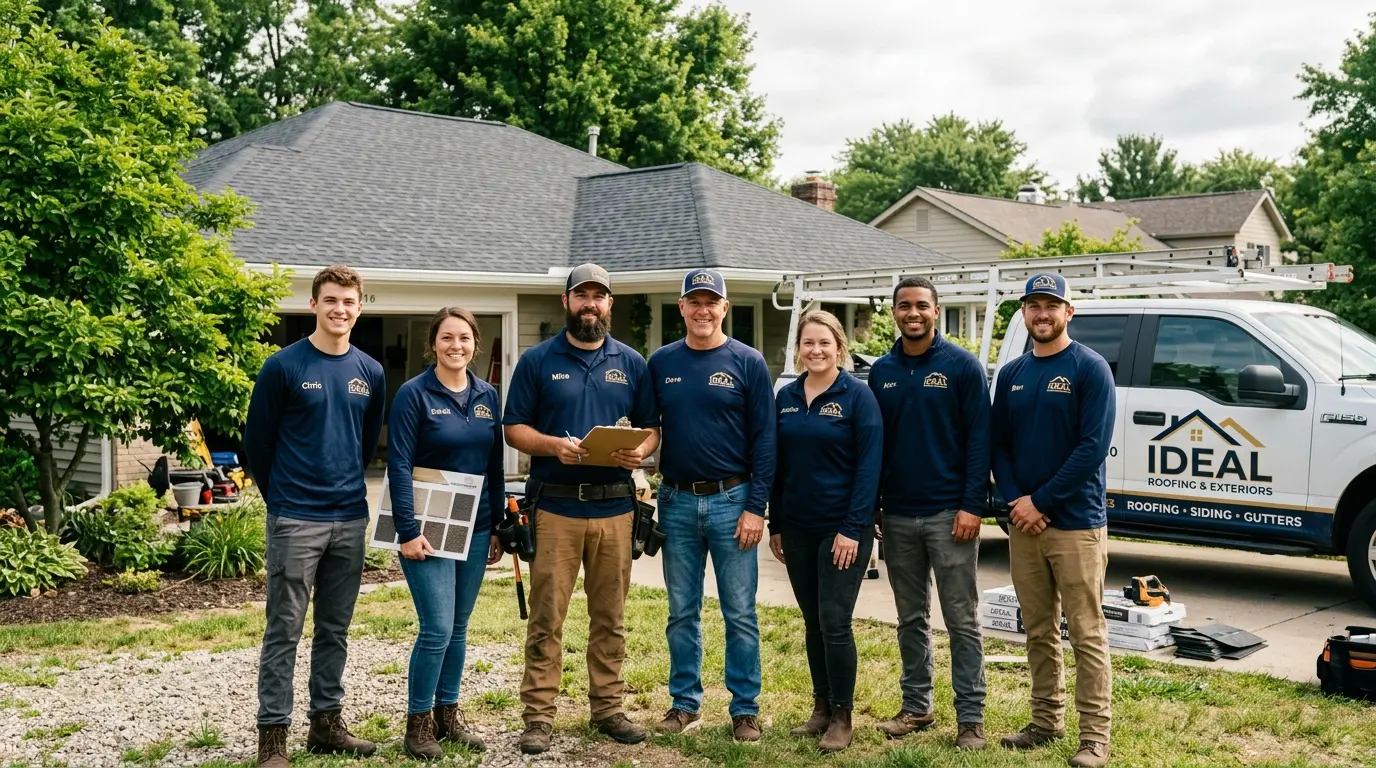
Your roof, gutters, siding, and exterior finishes work together every day to protect your home from rain, wind, heat, moisture, and debris. When one part starts to fail, the others often feel the impact. A proactive approach can help homeowners avoid costly surprises and keep their property looking sharp year-round.
Why Exterior Maintenance Matters More Than Most Homeowners Realize
Many exterior problems begin quietly. A loose shingle, a clogged gutter, a small siding gap, or worn sealant around a roof penetration may not seem urgent at first. Over time, however, these small issues can allow water to enter places it should not.
Water is especially damaging because it does not always stay where the leak begins. It can travel along rafters, insulation, drywall, and wall cavities before a visible stain appears indoors. By the time a homeowner notices a ceiling mark or musty smell, the repair may be more involved than it would have been earlier.
Routine exterior maintenance helps homeowners catch issues before they spread. It also supports curb appeal, energy efficiency, and long-term property value.
Key Warning Signs Around the Roof
A roof does not need to be actively leaking to show signs of stress. Homeowners should look for visible changes after storms, seasonal shifts, and long periods of heat or heavy rain.
Common roof warning signs include:
- Missing, cracked, curling, or lifted shingles
- Granules collecting in gutters or near downspouts
- Dark streaks, soft-looking areas, or sagging sections
- Rusted flashing around chimneys, vents, or skylights
- Water stains on ceilings or attic framing
- Daylight visible through roof boards in the attic
- Shingle pieces found in the yard after wind
Some of these issues may be minor, while others can point to deeper damage. The safest approach is to avoid guessing from the ground and have suspicious areas assessed by a qualified roofing professional.
Gutters Are Part of the Protection System
Gutters may not get as much attention as shingles or siding, but they play an important role in moving water away from the home. When gutters are clogged, loose, undersized, or poorly pitched, rainwater can overflow and cause problems around the foundation, fascia, landscaping, and siding.
A healthy gutter system should direct water smoothly through downspouts and away from the structure. Homeowners should check gutters after heavy leaf drop, storms, and roof work.
What to Watch For
Look for water spilling over the sides during rain, sections pulling away from the fascia, peeling paint near roof edges, soil erosion below downspouts, or stains on siding. These are signs that water may not be draining properly.
Gutter guards, seamless gutters, and properly extended downspouts can all help reduce maintenance needs, but no system should be ignored completely. Even low-maintenance gutters benefit from occasional inspections.
Siding and Paint Do More Than Improve Curb Appeal
Siding and exterior paint protect the walls of the home from moisture, pests, sun exposure, and temperature changes. When siding panels crack, loosen, warp, or pull away from trim, water can reach the layers underneath.
Paint also serves as a protective barrier. Faded, peeling, bubbling, or cracked paint can expose wood or trim to moisture. Once water gets behind siding or into exterior woodwork, deterioration can happen gradually and become expensive to correct.
Homeowners should pay close attention to areas near windows, doors, rooflines, decks, and landscaping. These areas often experience more moisture exposure than open wall sections.
The Value of a Seasonal Exterior Check
A simple seasonal inspection can help homeowners stay ahead of repairs. This does not require climbing onto the roof. In fact, homeowners should avoid unsafe roof access and use binoculars, ground-level observation, attic checks, and professional inspections when needed.
A practical seasonal checklist includes:
- Walk around the home after major storms.
- Look for missing shingles, loose flashing, or debris on the roof.
- Check gutters for overflow, sagging, or blockages.
- Inspect siding for cracks, gaps, or warped panels.
- Look at exterior paint and trim for peeling or rot.
- Check attic areas for moisture, stains, or daylight.
- Confirm downspouts move water away from the foundation.
- Schedule a professional inspection when anything looks unusual.
This habit can make exterior care feel manageable instead of reactive.
Choosing the Right Contractor for Roof and Exterior Work
Not every exterior contractor offers the same level of service, communication, or workmanship. Homeowners should look for a company that explains the condition of the property clearly, provides written estimates, discusses material options, and treats cleanup as part of the job.
It is also helpful to choose a contractor familiar with local weather patterns, common home styles, and the types of exterior systems used in the area. A local team can often identify problems that are common to nearby neighborhoods and recommend practical solutions.
For homeowners comparing roofing, gutter, siding, or exterior improvement options,the team at Ideal Roofing and Exteriors is a relevant example of the kind of exterior-focused resource worth reviewing when learning what professional roof and exterior care can include.
When Repairs Are Enough—and When Replacement Makes Sense
Not every exterior issue requires a full replacement. A missing shingle, isolated flashing problem, loose gutter section, or small siding repair may be resolved with targeted work. However, repeated leaks, widespread shingle wear, extensive storm damage, aging materials, or recurring gutter failures may point toward a larger project.
The best decision depends on several factors:
- Age and condition of the existing materials
- Extent of visible and hidden damage
- Past repair history
- Moisture exposure
- Energy performance concerns
- Long-term plans for the home
- Budget and timing
A good contractor should explain the difference between short-term repair and long-term value. The goal is not always to choose the biggest project. The goal is to choose the solution that protects the home properly.
Conclusion: Small Steps Can Prevent Major Exterior Problems
A home’s exterior is constantly working, even when everything looks normal. Roof shingles shed rain, gutters control runoff, siding protects walls, and paint seals vulnerable surfaces. When homeowners pay attention to these systems together, they are more likely to catch minor problems before they become major repairs.
By building seasonal inspections into your routine and working with qualified professionals when concerns appear, you can protect your home’s structure, appearance, and value for years to come.
