

British agriculture is undergoing a makeover – think less supermarket stampede for bargain cuts, more thoughtful tiptoe through the organic section. Shoppers are ditching those too-good-to-be-true deals in favour of knowing exactly where – and how – their dinner was raised.
Enter organic farming: now auditioning for the role of “mealtime hero” as more folks demand tastier meat, greener fields, and a guilt-free conscience. Intensive agriculture once ruled the roost, squeezing out every last crop and critter for maximum yield (environmental side effects be damned).
But today’s British foodies are changing the script, one shopping basket at a time. If you’re curious why organic is getting all the applause, it pays to know the real impact before deciding what lands on your family’s plate.
Why Grassroots Tastes Better: The Link Between Organic Farming and Meaty Marvels
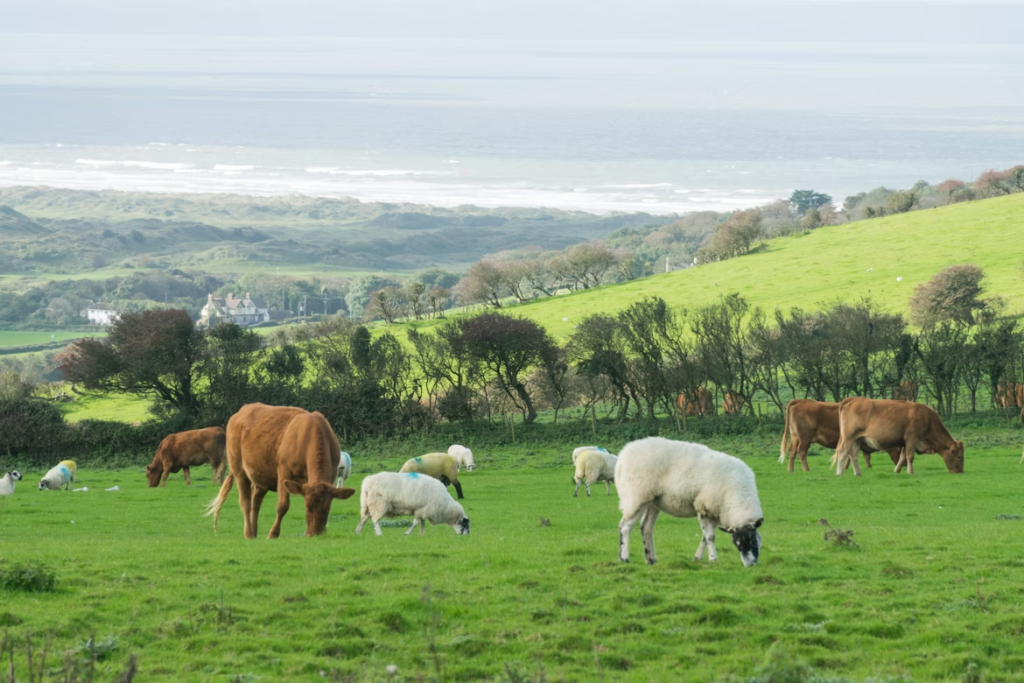
Organic farming prefers the scenic route: animals grow at their own pace, no express ticket to the butcher block. Picture cattle and sheep munching on pesticide-free fields and feasting on gourmet organic grub – no fast food allowed. The result? A steak or chop that has more character than a BBC drama, with richer flavours and melt-in-the-mouth marbling you simply can’t rush.
There’s brains behind the brawn, too – organic beef, as an example, is a VIP source of omega-3s and antioxidants. When livestock dine on a wild, varied buffet, those nutrients show up on your dinner plate. So, next time you tuck in, remember: patience isn’t just a virtue – it’s the secret ingredient to a tastier, healthier meal.
Keeping the Countryside Charming
Saving the British countryside isn’t about donning tweed and quoting poetry – it’s about saying no to chemical overkill. Conventional farming douses fields in enough pesticide and fertilizer to make the soil shudder. Organic farmers, on the other hand, prefer the classic touch: crop rotation, compost, and manure, oh my!
This back-to-basics approach keeps the land fertile and soaks up carbon like a sponge, while sparing our rivers a chemical cocktail. The result? Soil so healthy it’s basically the life of the party. By leaving hedgerows standing and skipping toxic sprays, organic farms become a buzzing refuge for birds, bees, and all the pint-sized creatures that keep the countryside charming. Who knew that environmental stewardship could look – and sound – this lively?
Making Life Comfortable: Five-Star Treatment for Farm Animals
Intensive farming packs animals tighter than a tube carriage at rush hour, all in the name of efficiency. Organic farmers, however, aren’t having it. To earn those UK organic badges, livestock are treated more like countryside VIPs than cogs in a machine: plenty of fresh air, sprawling outdoor digs, and sunshine on tap.
Pigs get to wallow in mud as nature intended, and chickens aren’t just stuck counting tiles – they’re outside strutting and foraging. The payoff? Animals that actually enjoy themselves, rarely need antibiotics, and get to live out their barnyard dreams. Less stress, happier creatures, and a food supply that’s safer for all of us. Sounds like a win-win – just don’t let the pigs get too smug about it.
Put Your Fork Where Your Future Is
Opting for organic meat isn’t just a food choice – it’s a mic drop for a smarter, tastier food system. You get the reward of meals that actually taste like something, shouldering zero guilt while giving British farmers a high-five for keeping the countryside lovely.
Start with baby steps: swap one supermarket stealth-buyer for a proud, organic pick next time you shop. Spot the trusted organic logos, or nudge your local butcher for the lowdown on their suppliers. Every steak or chop you choose sends a message: you want farms to grow food with a bit more heart – and a lot less chemical drama!