

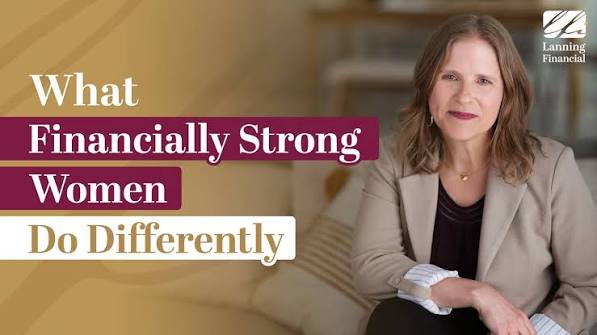
How you treat your first dollar of income often sets the trajectory for your entire financial future. Women who achieve long-term financial security share common practices in how they approach their earliest earnings, and these habits compound over time. Rather than spending this initial money on immediate wants, financially secure women strategically allocate their first earnings in ways that build wealth and create stability. Understanding what separates those who thrive financially from those who struggle requires examining the specific choices made during these formative earning moments. Your first dollar represents more than currency; it represents a decision about your financial priorities and values.
Prioritizing Savings Before Spending
Financially secure women typically establish a savings habit with their very first paycheck, treating savings as a non-negotiable expense rather than an afterthought. They recognize that waiting until the end of the month to save whatever remains often results in nothing being set aside. By automating a transfer to a savings account immediately after receiving income, they remove the temptation to spend money that should be preserved. This approach creates a psychological shift where savings becomes the default behavior rather than an optional activity. Many financially secure women start small, setting aside even five or ten percent of their initial earnings, understanding that the habit matters more than the percentage at the beginning. Over time, this consistent practice builds a financial foundation that provides security and options unavailable to those without emergency reserves.
Investing in Financial Education and Skills
Women who achieve financial security often dedicate their first earnings to learning about money management, investing, and economic principles. This might involve purchasing books, taking online courses, or working with financial advisors to understand concepts like interest rates, diversification, and tax-advantaged accounts. By investing in knowledge early, they equip themselves to make increasingly sophisticated financial decisions as their income grows. Financial education removes the mystery and fear that often surrounds money management, replacing it with confidence and competence. When you understand how compound interest works or how to evaluate investment options, you make fundamentally different choices with your income. Individuals who work with a financial planner report feeling more confident about their financial futures and better prepared for retirement.
Building Multiple Income Streams and Reducing Dependency
Financially secure women frequently use their first income to explore creating additional revenue sources beyond their primary employment. They might invest in small business ventures, develop freelance skills, or explore passive income opportunities, even if these generate modest amounts initially. This approach reduces reliance on a single income source and creates resilience if one income stream becomes unavailable. When navigating early decisions about tax strategy, income structuring, and long-term planning, working with a financial planner in Surprise AZ provides the kind of personalized guidance that helps women make informed choices rather than costly assumptions. The financial security that comes from diverse income streams extends beyond the money itself, fostering psychological independence and reducing anxiety about economic vulnerability. Starting these explorations with first earnings, rather than waiting for a future financial cushion, allows more time for skills to develop and opportunities to mature.
Establishing Clear Financial Boundaries and Values Alignment
Many financially secure women use their first paychecks as an opportunity to establish spending boundaries that align with their values rather than societal expectations. They consciously decide which expenses deserve their money and which do not, potentially declining social pressure to spend on things that do not matter to them personally. This intentional approach prevents the drift toward lifestyle inflation that often occurs when income increases. Women who maintain long-term financial security typically review their spending regularly, ensuring that their expenditures reflect deliberate choices rather than automatic habits. Setting these boundaries early, when income is modest, makes maintaining them easier than attempting to cut expenses after spending patterns have become established. By aligning spending with personal values from the start, financially secure women develop a sense of control over their finances that persists regardless of income level.
Conclusion
The choices financially secure women make with their first dollar of income establish patterns that shape their entire financial trajectory. By prioritizing savings, investing in financial knowledge, exploring multiple income sources, and aligning spending with personal values, these women create foundations for lasting economic security. These practices share a common thread: they represent deliberate decision-making rather than passive reactions to earning money. These approaches are available to anyone willing to examine their relationship with income and make intentional choices from the very beginning. Your first dollar presents an opportunity to set yourself on a path toward the financial security and independence that comes from treating earnings as a strategic resource rather than funds to be spent by default.
