

When a Chief Financial Officer is trying to figure out how to raise money they usually ask themselves: should we get a bank loan, issue bonds or do something different? For companies that have grown too big for a credit line but are not ready to sell a part of the business the choice often comes down to two options: corporate bonds and mezzanine debt. Both of these options let a company raise a lot of money without giving up ownership but they are very different when it comes to risk and cost. If a company chooses the one it can affect their financial situation for years to come.
The Main Difference
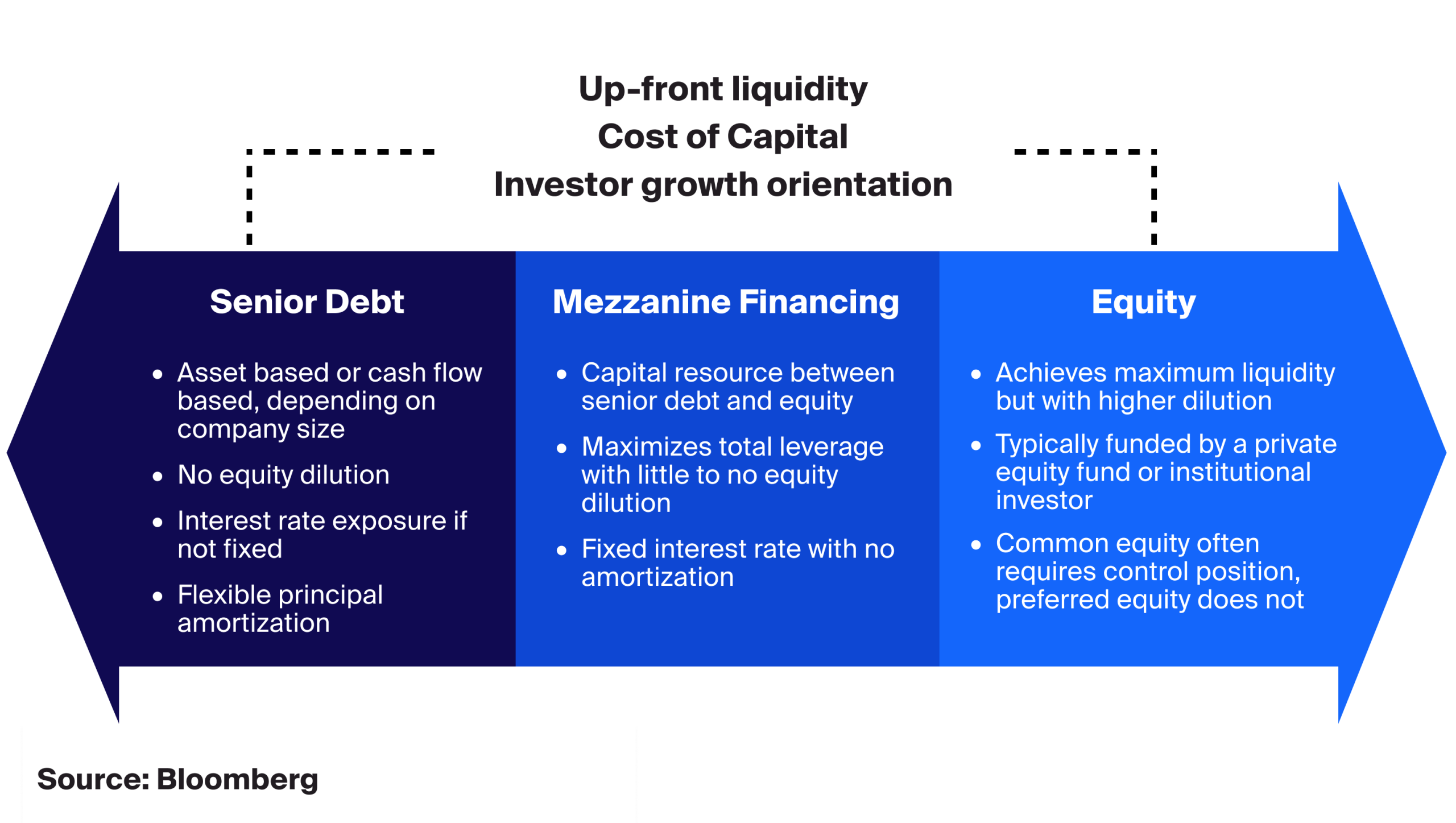
A corporate bond is a loan that a company sells to many investors with a fixed interest rate and a specific date when it has to be paid back. Mezzanine debt is a mix of loan and investment where the company pays interest and also gives the investor a chance to own part of the company through rights. The big difference between these two is that corporate bonds are sold to the public while mezzanine debt is negotiated privately. This one difference affects everything else about these two options.
Cost of Money
Bonds, especially those that are considered very safe investments are usually the cheaper option. The interest rate on these bonds can be as low as five or six percent for companies and up to twelve percent for companies that are considered riskier. Mezzanine debt is more expensive with interest rates between ten and sixteen percent. Companies that can issue bonds at a good interest rate are usually better off doing that but not all companies can do this, especially smaller ones or those that do not have a good credit rating. Corporate bonds are an option for companies that qualify but mezzanine debt can be a good choice for companies that do not have access to corporate bonds.
Who Actually Qualifies
The bond market, the ones that are rated and open to the public, likes big companies that have a history of credit that can be checked. Mezzanine lenders are different, they do not need a rating and they are okay with making a decision based on their own research, which helps companies that are in the middle, not too big and not too small. These companies cannot get a loan from the public bond market even if they want to. So mezzanine debt is like a bridge for companies that’re too big for a simple bank loan and too small for a public bond.
Dilution
Neither of these options gives away control like selling equity would. Mezzanine debt usually comes with something called warrants that can be turned into a small part of the company later on. Bondholders on the hand do not have any claim on the company, they just have the right to get interest and their money back. For owners who really care about being in control and doing well on the run this makes a big difference and it often helps them decide which option to choose when the prices are not too different.
Repayment Priority and Risk
If a company goes bankrupt the people who lent money first get paid first the people who lent money after that then the mezzanine lenders and finally the people who own the company. Mezzanine debt is riskier which is why it costs more the lender is taking on risk, than a bondholder. Companies need to think about this, taking on mezzanine debt just because it is easier to get than a bond does not make it a cheap way to protect against problems, it usually means the opposite mezzanine debt is actually more expensive.
Typical Use Cases for Each
Companies use bonds for things like general business needs, paying off old debt, buying new equipment or expanding their business. This usually happens with companies that have been around for a while and have an idea of how much money they will make. Mezzanine debt is often used when a company is buying another company or when the owner needs to borrow money without giving up much control. This type of debt is helpful when someone needs money quickly and does not want to wait for a time to get it from a public bond.
How to Decide Which Route Makes Sense
The best choice depends on how good a company’s credit is, how quickly they need the money and how much they are willing to give up. It is an idea to work with a team that knows about both corporate bonds and mezzanine debt. This team can give a company a comparison of the two options rather than just trying to sell them on one option. Corporate bonds and mezzanine debt are both types of bonds and mezzanine debt and it is important to understand the differences between corporate bonds and mezzanine debt.
A good thing to do before choosing bonds or mezzanine debt is to figure out how much it will really cost. This includes things like the interest rate on bonds and the fees for mezzanine debt. Corporate bonds have fees that companies must pay and mezzanine debt often comes with warrants that can cost companies money. If companies do the math ahead of time they can avoid surprises with their corporate bonds and mezzanine debt.
Frequently Asked Questions
Can a company use both bonds and mezzanine debt at the same time?
Yes. A company can use both bonds and mezzanine debt. This is what larger companies do when they need a lot of money. They use bonds and mezzanine debt together. Each one serves a purpose and costs a different amount of money.
Which option is faster to arrange, bonds or mezzanine debt?
Mezzanine debt is usually faster. This is because a company can negotiate debt with just one lender or a small group of lenders. On the other hand corporate bonds have to be sold to the public. This means a company has to do a lot of work like figuring out how much risk is involved and selling the corporate bonds to people.
Is debt riskier for the company than issuing corporate bonds?
Mezzanine debt costs money in the long run.. It does not necessarily mean the company is taking on more risk. This is because mezzanine debt usually has rules that the company has to follow. Corporate bonds and bank loans usually have a lot of rules.
Do smaller companies have access to the corporate bond market?
Not usually. Smaller companies usually cannot sell bonds to the public. This is because the corporate bond market likes companies that are already well established. Smaller companies usually have to look for options like private placements or mezzanine debt.
Which option preserves ownership for the founders of a company?
Corporate bonds do. This is because corporate bonds do not involve giving away any ownership of the company. Mezzanine debt usually involves giving away a bit of ownership.. It is still better than giving away a lot of ownership like you would with an equity raise. Mezzanine debt usually involves something called warrants which can mean the company has to give away some ownership in the future.
