

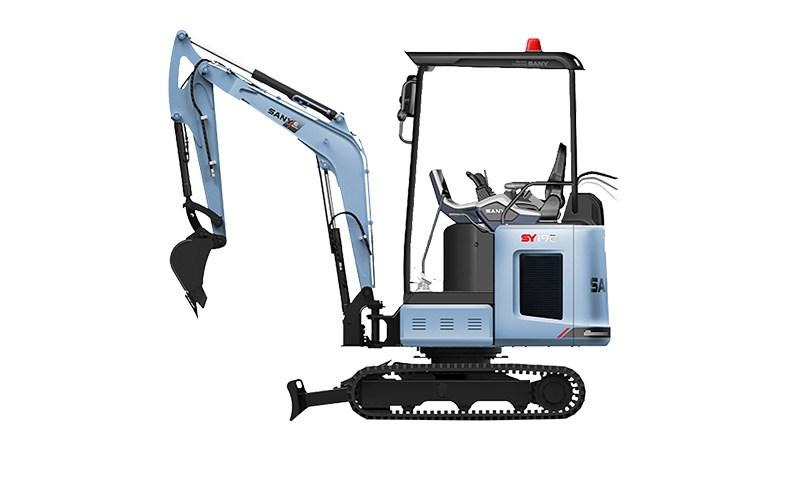
A mini excavator is built for jobs where space is limited but digging power still matters. Contractors use these machines in residential construction, utility work, landscaping, and renovation projects because they can access confined areas without sacrificing control. Their compact structure allows them to pass through narrow entries and work close to walls, fences, and existing features. At the same time, modern hydraulic systems give operators smooth, accurate movement for trenching, grading, and material handling. This combination of size, maneuverability, and precision makes a mini excavator especially effective on crowded sites. Understanding the design features and operating practices behind that performance helps explain why these machines are a practical choice for tight workspaces.
Key Design Features That Help Mini Excavators Work in Small Areas
Compact Size and Flexible Maneuverability for Narrow Spaces
Compact dimensions are the main reason a mini excavator performs well in restricted areas. The machine’s narrow body and short overall length make it easier to pass through gates, move along building lines, and position near obstacles with less repositioning. Rubber tracks improve traction while helping reduce damage to finished surfaces such as pavement, lawns, and decorative landscaping. A lower operating weight also makes transport and access easier on smaller job sites. Because the undercarriage stays stable while the upper structure works within a small footprint, operators can dig or trench in places where full-size equipment would be impractical. This compact design supports more precise movement, faster setup, and better control in narrow work zones.
Tail Swing, Hydraulic Control, and Attachment Flexibility
Reduced tail swing or zero-tail-swing design helps a mini excavator rotate in confined spaces without the rear of the machine extending far beyond the tracks. That allows safer work near walls, traffic barriers, or structures. Precise hydraulic control also plays a major role. Smooth boom, arm, and bucket response helps the operator make small corrections when digging near utilities, foundations, or hardscape features. Attachment flexibility adds another layer of efficiency, since the same machine can switch from a trenching bucket to an auger, breaker, or grading tool as site conditions change. By combining controlled rotation, accurate hydraulic movement, and multiple work tools, a mini excavator stays productive even when the work envelope is limited and obstacles are close.
How Mini Excavators Improve Efficiency in Challenging Work Environments
Working Around Buildings, Landscaping Areas, and Limited Access Zones
Mini excavators improve efficiency by allowing operators to work directly in spaces that would otherwise require manual labor or extensive site preparation. Around buildings, they can dig foundation edges, utility lines, or drainage paths while staying close to walls and corners. In landscaping areas, their compact tracks and controlled movement help operators navigate trees, garden beds, retaining features, and finished yards with better accuracy. Limited access zones, such as side yards or fenced service areas, also become workable because the machine can enter, position, and complete tasks in a smaller radius. This reduces the need for extra demolition, material relocation, or hand digging, helping crews complete detailed work faster while maintaining consistent excavation performance on restricted job sites.
Reducing Site Disruption While Maintaining Digging Performance
A mini excavator helps reduce disruption by concentrating digging power into a smaller machine that can work without overwhelming the site. Its compact footprint means less ground disturbance, fewer damaged surfaces, and better preservation of nearby structures or landscape elements. Rubber tracks further limit marking on delicate pavement or turf, which is valuable on residential and finished commercial properties. At the same time, the machine still delivers the hydraulic force needed for trenching, grading, and light demolition tasks. Operators can complete excavation work with fewer corrections and less cleanup because the machine fits the area more precisely. That balance between controlled access and reliable digging performance keeps projects moving efficiently while minimizing unnecessary disruption to the surrounding environment.
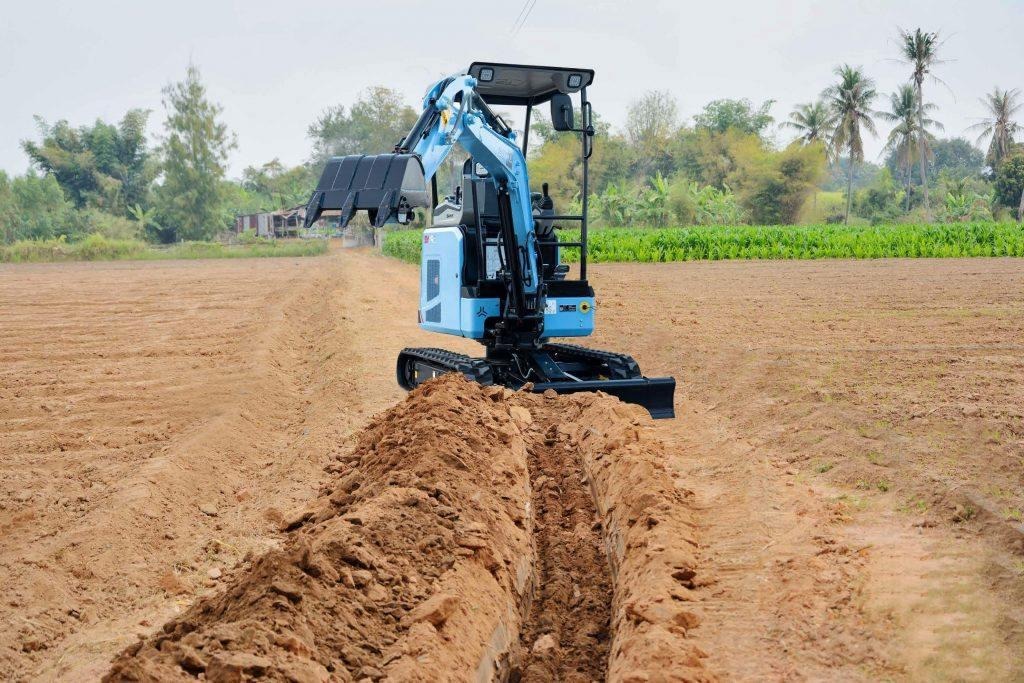
Practical Tips for Operating a Mini Excavator in Tight Spaces
Planning Machine Movement and Selecting Suitable Attachments
Efficient operation starts with planning the machine path before excavation begins. Operators should measure entry points, identify overhead and side obstacles, and determine where spoil piles, materials, and support equipment will sit. This reduces unnecessary repositioning and helps maintain a clear work zone. It is also important to match the attachment to the task. A narrower bucket can improve trench accuracy in confined spaces, while a grading bucket may work better for surface finishing without excessive movement. If the job includes drilling, breaking, or lifting, choosing the correct attachment in advance prevents delays and repeated machine adjustments. A clear movement plan combined with suitable attachments allows the mini excavator to work faster, more accurately, and with less disruption in restricted areas.
Maintaining Stability, Safety, and Productivity During Operation
Maintaining stability and safety in tight spaces requires disciplined machine positioning and steady operating habits. Operators should work on firm ground whenever possible, keep the blade positioned for added balance when appropriate, and avoid overreaching beyond the machine’s stable working range. Smooth hydraulic inputs are essential because sudden movements can affect control and increase the risk of contact with nearby structures. Constant awareness of track placement, swing clearance, and underground utilities also improves job site safety. Productivity remains high when the operator uses short, efficient digging cycles rather than forcing the machine into awkward angles. Regular inspection of tracks, attachments, and hydraulic components further supports dependable performance, helping the mini excavator stay safe, stable, and effective throughout confined-space work.
Conclusion
A mini excavator handles tight workspaces effectively because it is designed to combine compact access with precise digging control. Its small footprint, reduced tail swing, responsive hydraulics, and attachment versatility allow it to work where larger equipment would struggle or cause unnecessary disruption. These advantages make it especially useful around buildings, in landscaping zones, and on sites with narrow access. When operators plan machine movement carefully, choose the right attachment, and maintain safe working practices, the machine delivers strong productivity in limited space. For confined excavation tasks, a mini excavator offers a practical balance of maneuverability, performance, and job site efficiency.
