

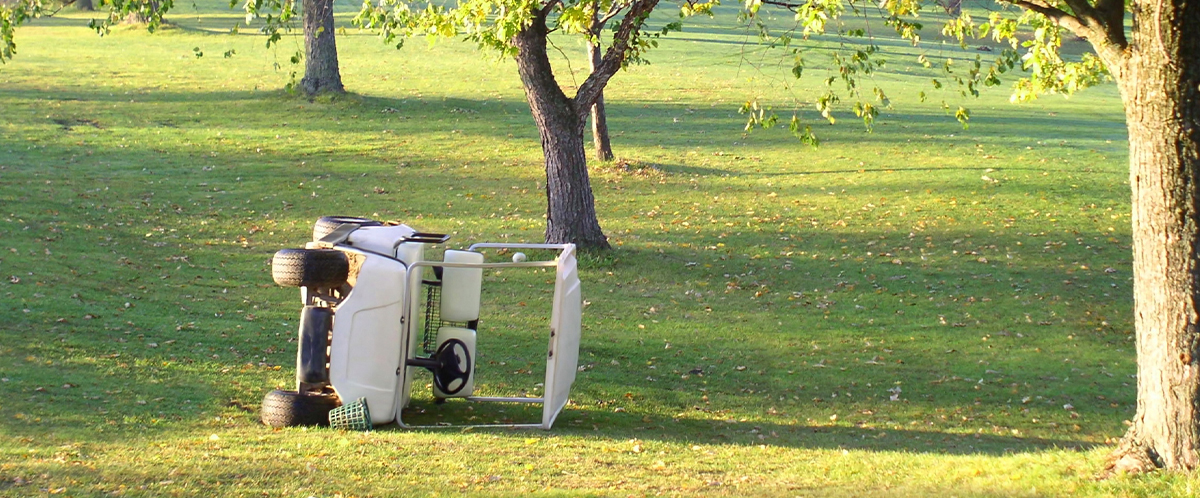
Phoenix is known for its expansive golf courses and resort destinations that attract visitors year-round. These properties combine recreation, hospitality, and outdoor amenities, often across large and carefully landscaped grounds. While most guests expect a relaxing experience, accidents can and do occur. When injuries happen at golf courses or resorts, understanding the legal framework behind these incidents is essential for determining responsibility and next steps.
Common Types of Accidents at Golf Courses and Resorts
Golf courses and resort properties present unique risks not typically found in other settings. Slip-and-fall incidents frequently occur near pools, locker rooms, and walkways affected by irrigation or weather conditions. Guests may also be injured by errant golf balls, collisions with golf carts, or poorly maintained paths and stairways.
At resort properties, injuries can arise from defective equipment, inadequate lighting, or overcrowded recreational areas. In some cases, staff actions—or inaction—may contribute to unsafe conditions.
Premises Liability and Duty of Care
Understanding Property Owner Responsibilities
Under Arizona premises liability law, property owners and operators owe a duty of care to guests lawfully on their premises. Golf courses and resorts must take reasonable steps to identify hazards, correct dangerous conditions, and warn visitors when risks cannot be immediately resolved.
This duty extends to routine inspections, proper maintenance, and adequate staffing. Failure to meet these obligations can form the basis of a personal injury claim.
Guest Status and Legal Impact
The level of care owed may vary depending on the injured person’s status. Paying guests, tournament participants, and resort visitors are typically owed the highest duty of care. Trespassers, by contrast, are generally owed limited protection, although exceptions may apply in certain circumstances.
Proving Liability After a Resort or Golf Course Accident
Establishing a Dangerous Condition
To pursue a claim, it must be shown that a hazardous condition existed and posed an unreasonable risk. Examples include slick walkways without warning signs, broken railings, or poorly marked golf cart paths.
Photographs, maintenance records, and witness statements are often used to demonstrate the condition and how long it existed prior to the accident.
Showing Knowledge or Failure to Act
Liability also depends on whether the resort or golf course knew—or should have known—about the hazard. Evidence that staff ignored prior complaints or failed to follow standard safety procedures can be particularly relevant.
Unique Challenges in These Claims
Accidents at golf courses and resorts often involve multiple parties, including property owners, management companies, and third-party contractors. Determining which entity had control over the area where the injury occurred can be complex.
Additionally, some resorts use waivers or disclaimers for recreational activities. While these documents may limit certain claims, they do not automatically eliminate liability, especially in cases involving negligence or unsafe conditions.
Practical Steps After an Injury
Report the Incident Immediately
Injured guests should notify resort management or golf course staff as soon as possible and request an incident report. This creates an official record and helps establish timing.
Seek Medical Attention
Prompt medical care protects health and documents the injury. Medical records play a critical role in linking the accident to the harm suffered.
Preserve Evidence
If possible, take photographs of the scene, collect contact information from witnesses, and keep copies of receipts or correspondence related to the incident.
Frequently Asked Questions
Are golf courses responsible for injuries caused by stray golf balls?
Not always. Liability depends on factors such as course design, warning signage, and whether the injury occurred in an area where errant shots were reasonably foreseeable.
Can visitors still file claims if they signed a waiver?
Possibly. Waivers may limit claims for ordinary risks of an activity but generally do not protect against unsafe property conditions or negligent maintenance.
Why Legal Insight Matters
Injuries at Phoenix golf courses and resorts involve specialized legal and factual issues. Consulting a personal injury lawyer in phoenix can help injured individuals understand how Arizona law applies, evaluate the strength of a claim, and navigate interactions with insurance providers.
With clear guidance and proper documentation, injured guests are better positioned to protect their rights and seek fair resolution after an accident in these distinctive settings.