

Do you ever feel a sense of calm wash over you when you walk barefoot on wet grass or sand? That’s not just a feeling; it’s a physiological process known as grounding, or earthing. In our modern lives, we spend most of our time indoors, wearing rubber-soled shoes, and separated from the Earth’s natural electrical charge. Grounding aims to reconnect us to that energy.
Proponents suggest that this connection can reduce inflammation, improve circulation, and significantly enhance sleep quality. But since most of us can’t spend 24 hours a day laying in a meadow, the wellness industry has developed various tools to bring those benefits indoors. With so many options available, finding the right fit can feel overwhelming. Here is how to navigate the world of grounding products to find the perfect match for your lifestyle.
Exploring the Different Types of Grounding Products
Before you buy, it is helpful to know what is out there. Grounding tools generally work by connecting to the ground port of your electrical outlet via a cord, safely transferring the Earth’s energy to you.
- Grounding Mats: These are incredibly versatile. You can place them under your desk while you work, under your feet while watching TV, or even on top of your mattress. They are usually made of conductive carbon or silver materials.
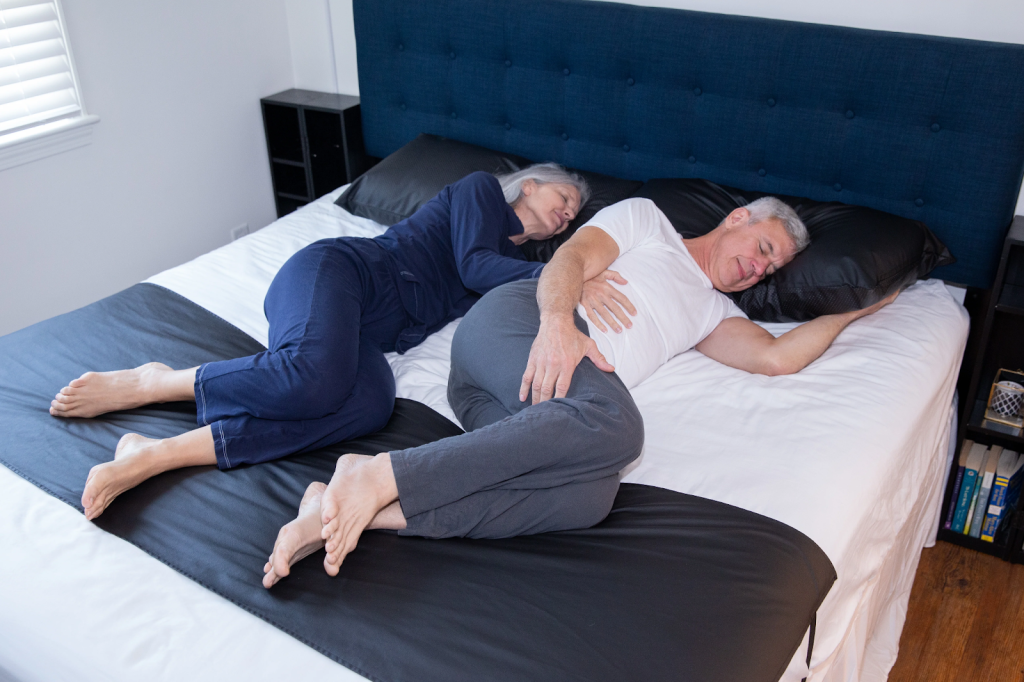
- Grounding Sheets and Pillowcases: If your main goal is better sleep, these are the gold standard. woven with conductive silver threads, they allow you to stay grounded for the entire duration of your rest without changing your routine.
- Grounding Shoes/Sandals: Unlike standard footwear with insulating rubber soles, these have conductive plugs that allow you to stay grounded while walking outside on grass, concrete, or dirt.
- Wearables: Wristbands and patches offer targeted grounding. These are often used by athletes for recovery or by people wanting to treat specific areas of pain.
Factors to Consider When Choosing Your Solution
Selecting the right tool depends entirely on how you live your life. Here are the key factors to weigh before making a decision.
Material and Comfort
Since these products touch your skin, comfort is non-negotiable. If you have sensitive skin, a rough carbon mat might be irritating. In that case, high-quality cotton grounding sheets with silver threading might be the better, softer choice.
Lifestyle Integration
Be realistic about your habits. If you work a desk job for eight hours a day, a universal mat under your keyboard or feet is an effortless way to get your grounding hours in. However, if you are always on the go, grounding shoes or a wristband might serve you better than a mat you’ll rarely use.
Ease of Maintenance
Grounding sheets require specific care—usually washing with warm water and avoiding bleach or fabric softeners, which can ruin the conductivity of the silver. If you prefer low-maintenance items, a wipeable mat is much easier to care for than bedding.
Incorporating Grounding into Your Daily Routine
The best grounding solution is the one you actually use. Consistency is key to feeling the results.
Start small. You don’t need to overhaul your entire life overnight. If you choose a mat, place it in a spot where you naturally spend time, like your reading chair or under your home office desk. If you opt for sheets, the transition is seamless—just go to bed as usual.
Many users report feeling a tingling sensation at first, which usually subsides as the body adjusts. Listen to your body and observe changes in your sleep depth and energy levels throughout the day.
Reconnecting for Better Health
Finding the right grounding method is a personal journey. Whether you opt for the convenience of a desk mat, the total immersion of conductive sheets, or the freedom of grounding footwear, the goal remains the same: restoring a vital connection to nature.
By evaluating your daily habits and comfort preferences, you can choose grounding products that seamlessly fit your life, helping you sleep deeper and feel more balanced. It’s a simple step back to nature that requires nothing more than making contact.
