

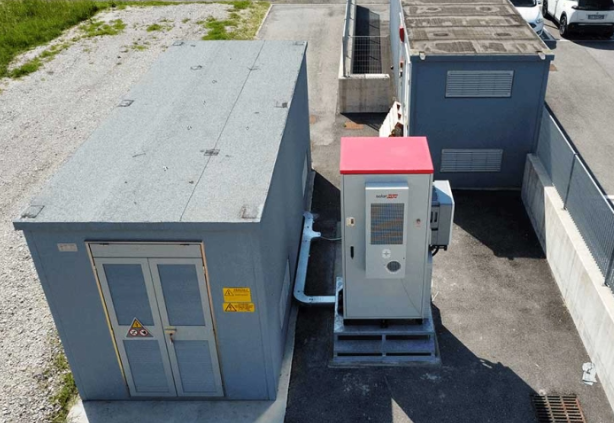
“How can commercial storage system reduce peak electricity costs in US retail parks?” This question is central to the financial strategies of many commercial property owners and operators. Retail parks, which house large stores, supermarkets, and entertainment venues, have some of the highest demand charges in the United States due to fluctuating peak electricity consumption. In fact, according to the US Energy Information Administration (EIA), demand charges can account for 30% to 70% of commercial electricity bills, depending on the region and utility rate structure.
Commercial storage systems offer a transformative solution. By strategically storing energy during off-peak hours and releasing it during peak hours, retail parks can significantly reduce the maximum load they draw from the grid. For example, a 1MW/2MWh commercial energy storage system can save a retail park $100,000 to $200,000 annually in demand charges. In addition to direct cost savings, these systems provide backup power, improve grid resilience, and support sustainable development goals.
Benefits of Commercial Storage Systems for Demand Charge Management
The primary way commercial storage system reduce costs in retail parks is by reducing demand charges. Utilities charge these fees based on the 15-minute interval with the highest electricity usage during the billing cycle. Retail parks often experience spikes in electricity demand during weekends, seasonal shopping peaks, or hot afternoons when HVAC loads rise.
By deploying commercial storage systems, operators can precisely release stored energy during these high-demand periods, flattening the load curve and avoiding costly peaks. This process, known as “peak shaving,” can reduce demand charges by 20% to 40%. This reduced predictability in monthly electricity bills not only provides consistent and measurable economic benefits to retail parks but also improves load management for the broader grid.
How Commercial Storage Optimizes Time-of-Use (TOU) Pricing
Another key cost-saving feature of commercial energy storage systems is their ability to optimize time-of-use (TOU) pricing. Many US utilities charge significantly higher rates for electricity during peak hours, typically in the late afternoon and evening. On the other hand, for large retail parks with high HVAC, lighting, and cooling loads, these price differences can quickly accumulate.
Commercial energy storage systems allow retail parks to charge batteries during off-peak hours, when electricity prices are lower, shifting electricity use to higher-cost periods. The stored energy can then be released during peak hours. Over a 10-year lifespan, this strategy can save retail parks hundreds of thousands of dollars while also stabilizing their operating budgets.
Integration with On-Site Solar
Many US retail parks have begun installing solar panels on rooftops or carports to offset electricity costs. However, without commercial energy storage, much of this solar energy is either exported to the grid at a low compensation rate or goes unused during midday hours, when generation is high but demand is low.
By combining solar power with commercial storage system, retail parks can maximize their solar self-sufficiency. Furthermore, the battery system stores excess midday solar power and releases it later in the afternoon when customer traffic increases and electricity prices peak. This integrated approach not only reduces reliance on the grid but also accelerates the return on investment for both solar and storage assets.
The Role of Grid Resilience and Reliability
Retail parks must maintain uninterrupted operations to ensure tenant satisfaction and customer confidence. Merchant energy storage systems enhance resilience by providing backup power during grid outages or voltage fluctuations. While the primary goal is to reduce peak power costs, the reliability benefits also translate into economic benefits.
For example, an unexpected power outage during peak shopping hours can result in thousands of dollars in lost sales, spoiled food, and dissatisfied customers. By deploying merchant energy storage, retail parks can protect themselves from such risks while also reducing peak demand charges. This dual advantage strengthens the business case for investing in merchant energy storage.
Financial Modeling and the Return on Investment of Retail Parks
Understanding the financial impact of merchant energy storage systems is crucial for retail park operators. While the upfront cost of a 1 MW system may range from $700,000 to $1 million, the savings from reduced demand charges, optimized time-of-use (TOU) rates, and integrated solar can generate a return on investment within five to seven years.
Innovative financing models such as Energy as a Service (EaaS), Power Purchase Agreements (PPAs), or Shared Savings Contracts are making it easier for retail parks to adopt energy storage systems. These models allow businesses to reap the benefits of merchant energy storage without incurring the full upfront capital expenditure. Over a 10-year lifecycle, energy storage systems can save over $1 million, making them not just a technical solution but also a strategic financing tool.
Provides Short- and Long-Term Economic Benefits
Commercial storage systems can deliver both short- and long-term economic benefits by strategically reducing demand peaks, optimizing time-of-use electricity prices, maximizing on-site solar generation, and improving grid resilience. Within a decade, these savings can easily exceed the initial system cost, making energy storage a strategic investment for r