

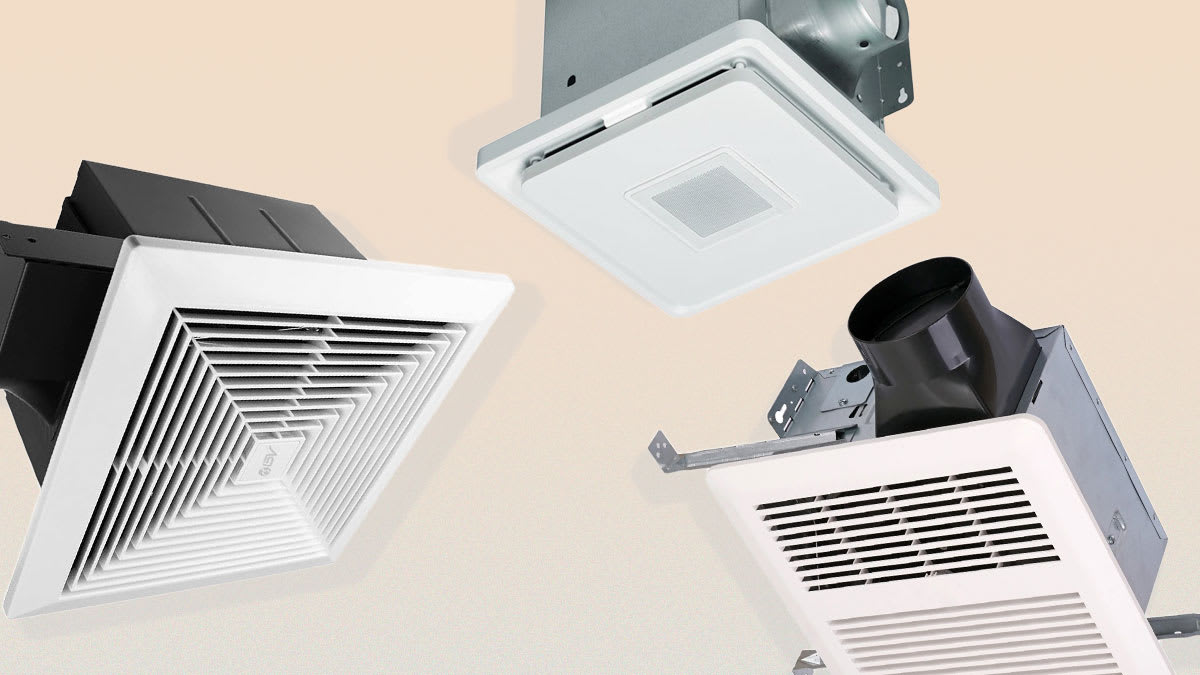
Have you ever been in a crowded elevator, filled with people going home from work? Or perhaps in an overused bathroom at a party? Stale air, odour, and a sense of claustrophobia in these settings make us want to hop right out of them. Our homes would begin to feel like these suffocating spaces, if not for exhaust fans. Indispensable devices in kitchens and washrooms, exhaust fans are the reason the moisture-prone corners of your home remain free of mould and fungus.
So if you’re looking to replace an old one or get a brand new exhaust fan fitted for the first time, this guide will serve you just right. It’ll cover the basics and provide practical insights to ensure that you invest in the best out of the lot. Let’s dive in!
Understanding The Different Types of Exhaust Fans
Knowing what exactly it is that you need is crucial before you buy exhaust fans. Based on their functionality, there are three major types of exhaust fans:
Wall-Mounted Exhaust Fans
As the name suggests, these devices are mounted on exterior walls in homes and help promote ventilation inside by expelling stale air outside. In high-humidity zones like kitchens and showers, wall-mounted exhaust fans remove fumes and excess moisture to help restore hygiene and cleanliness.
Window Exhaust Fans
Fitted directly into the windows in small rooms or moisture-prone areas, window exhaust fans are installed for temporary or occasional use. They are ideal for clearing out fumes from fuel in the garage or expelling vapour in the shower. In studio homes or small rented apartments, they act as airflow solutions that do not require you to undertake extensive renovation.
Decorative Exhaust Fans
Ever spotted those stylish ventilation units fitted high in fancy washrooms and luxury salons? Those are decorative exhaust fans. Multipurpose, sleek, and noiseless, these devices combine functionality and interior decor to fit effortlessly into your renovated home. For instance, the Atomberg Studio Exhaust Fan maintains the freshness in your bathroom while drawing zero attention to itself.
Features
Atomberg Studio Exhaust Fan
Fit for
Bathrooms, kitchens, cabins
Type of Finish
Brushed/Gloss/Wooden
Specialties
BLDC motor with high air suction
Silent operation
Easy to install and clean
Back flaps to prevent insect entry
Air Delivery and Capacity
245 CMH (Cubic Metres per Hour)
Voltage
165VAC – 285VAC
Number of Blades
7
Speed
2000 RPM
Warranty Period
2 Years
Available Colours
Brushed Steel/Wooden/Brown/White/Black
An informed buyer is less likely to get misled and confused by multiple conflicting opinions or sales personnel.
Choosing the Right Size for Exhaust Fans
Refer to the following size chart and ensure that you pick the right exhaust fans for the right rooms:
Room
Size of Room
Size of Exhaust Fan
Required Airflow Capacity (in Cubic Feet per Minute)
Bathroom
Up to 50 sq. ft.
4 inches – 6 inches
50 CFM – 100 CFM
Kitchen
Up to 100 sq. ft.
6 inches – 9 inches
100 CFM – 200 CFM
Large Rooms
Above 100 sq. ft.
9 inches – 12 inches
Above 200 CFM
For instance, if you’re choosing an exhaust fan for your bathroom, following these steps will help avoid the hassle of returns and replacements:
Step 1: Measure or determine the complete area of your bathroom. Use the standard (length ✕ width ✕ height) formula to calculate this.
Step 2: Convert the determined bathroom size into cooling requirement (CFM) by applying the following formula.
(Size of the bathroom ✕ 0.13)
This will help achieve the minimum CFM (Cubic Feet per Minute) rating that an exhaust fan for your washroom will need.
Step 3: Check for the required CFM rating in the specifications of the product box when you go shopping for exhaust fans. Sometimes, the rating may also be expressed in CMH. You can recalculate the rating in CMH using a CFM TO CMH calculator or consider that:
1 CFM = 1.69901 CMH
Compare Exhaust Fans By Different Brands Pre-Purchase
Parameter
Atomberg
Crompton
Usha
Motor Used
BLDC motor with high operational efficiency
Traditional motors
Traditional motors
Top Features
Optimised power consumption and latest technology
Equipped with thermal overload protection
Safety features
Energy Efficiency
High energy efficiency
Modern energy efficiency
Modern energy efficiency
Suction
Powerful suction and ventilation capabilities
High air delivery and suction
Moderate air delivery and suction
Noise
Silent operation
Minimal noise
Almost silent operation
Cost-Effectiveness
Moderate upfront cost with high long-term returns
Budgeted cost with minimal returns
Budgeted cost with minimal returns
Features To Centre in Your Search For Exhaust Fans
Wise buying decisions are reflected in the exhaust fans you choose to bring home. Avoid mistakes and stick to the following essential features:
Air Suction
The airflow capacity in exhaust fans determines how well they can ventilate the humid spaces in your modern home. Measured in CMH (Cubic Metres per Hour) or CFM (Cubic Feet per Minute), the airflow capacity of exhaust fans is listed on the product packaging. For a large active space like washrooms and kitchens, you’ll need a fan with a high CFM (or high air suction) and vice versa.
Energy Efficiency
Everyone wants to make a cost-effective installation that’ll lower their carbon footprint while keeping their home fresh and odour-free. Choosing appliances that come with proper certifications and energy ratings or opting for verified sellers will ensure that you get the most value out of your exhaust fans.
Quiet Operation
You don’t want a constant humming noise disrupting your skincare session or baking spree. Modern exhaust fans come integrated with advanced motor technology and low decibel ratings. As a result, they operate noiselessly and offer superior comfort without compromising on effective ventilation.
Ease of Installation
You pay fair to get value out of your fan purchase as it is. Additional installation costs and mounting complexities should not sour that experience. Look for options that provide clear and simplified directions for successful installation. Not only will you save time and cost, but maintenance will also prove easier when you’re the one assembling the appliance.
Design Elements
Exhaust fans in the contemporary world are built to fit harmoniously into thoughtful and innovative homes. They are available in sleek styles and with multiple finishes that do not have a bearing on their high performance. Getting your hands on one is just as simple.
Comparison Between Traditional Exhaust Fans and Modern Exhaust Fans
If you still feel a bit dubious about incorporating advanced exhaust fans into your home, here’s a simplified table that’ll help make the right choice:
Parameter
Parameter
Modern Exhaust Fans
Traditional Exhaust Fans
Energy Consumption
Low energy consumption and high operational efficiency
High energy consumption with low operational efficiency
Noise Levels
Operates noiselessly
Makes a humming noise
Motor Technology
Uses energy-efficient BLDC (Brushless Direct Current) motors
Uses AC motors
Cost-Effectiveness
Helps save on electricity bills
Doesn’t aid in savings
Design Features
Modern designs fit for contemporary homes
Basic designs that only prioritise functionality
Wrapping Up
Ideal exhaust fans don’t operate to provide quality ventilation and keep your home smelling fresh alone. They are designed with sustainability, spending, and the long-term health of your family in mind. When mould and microbes are effectively inhibited from multiplying, you can cook your favourite recipes without worrying about hygiene failure. You’re also able to save through better energy usage as well as less frequent hospital visits.
Lean into brands that provide transparent information on the exhaust fan you purchase, and are known to offer reliable after-sales services. After all, it’s not every day that you’ll bring home an exhaust fan.