

The commercial furniture market is not what it was a decade ago. Walk into a newly opened restaurant in Dallas, a boutique hotel café in Chicago, or a neighborhood brunch spot in Miami, and one thing becomes immediately clear. Booths are back, and they are bigger, smarter, and more intentional than ever before.
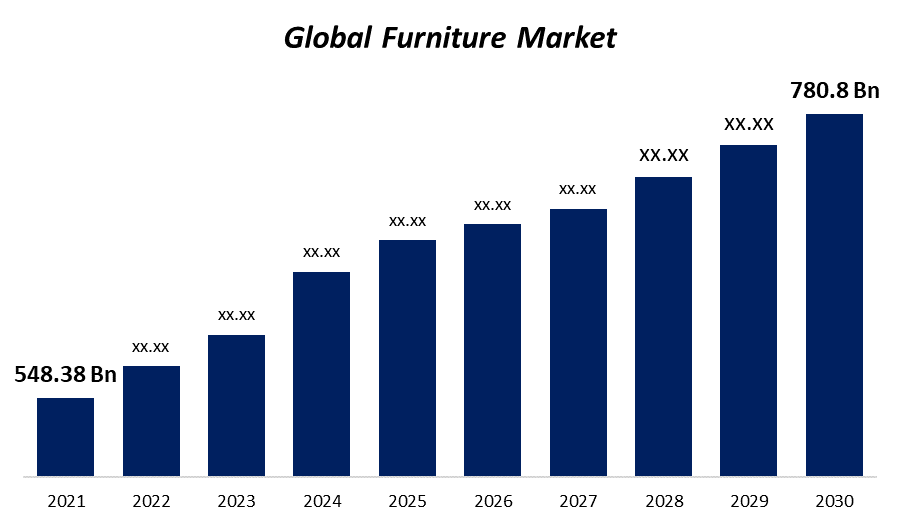
Across the United States, the broader furniture market continues to grow steadily, with commercial segments projected to expand at a healthy pace as hospitality rebounds and new concepts enter the market. Within that growth, restaurant booths are quietly becoming one of the most requested seating formats. Operators are not just buying furniture. They are investing in experience, efficiency, and brand identity.
The Experience Economy Is Reshaping Seating Choices
Dining out has evolved. It is no longer just about food. It is about atmosphere, comfort, and the feeling of belonging. Booth seating delivers on all three.
Unlike standard restaurant chairs arranged around open tables, booths create semi-private zones within a larger dining room. That subtle sense of enclosure changes how guests interact with the space. Conversations feel more intimate. Families feel more relaxed. Couples feel less exposed.
In a market where customer expectations are higher than ever, seating plays a powerful psychological role. Studies in hospitality design consistently show that perceived comfort influences how long guests stay and how much they spend. Booths naturally encourage longer dwell times, which often translates into higher average ticket values.
From a brand perspective, booths also anchor visual storytelling. Whether upholstered in rich leather tones or wrapped in bold modern fabrics, they instantly communicate concept: upscale steakhouse, casual diner, retro café, modern bistro. The booth becomes part of the narrative.
Efficiency and Space Optimization Drive ROI
While aesthetics matter, restaurant owners are business operators first. Square footage is expensive. Rent per square foot in major U.S. cities continues to challenge operators, especially in high-traffic districts.
Booths provide measurable advantages in layout efficiency:
- They maximize wall space that would otherwise remain underutilized.
- They allow tighter table spacing without compromising guest comfort.
- They create predictable seating patterns that simplify floor planning.
A well-designed booth layout can increase seating capacity by several percentage points compared to loose table-and-chair arrangements. Over time, that difference significantly impacts revenue. In a 3,000-square-foot restaurant, even adding eight to ten additional seats can generate thousands of dollars in incremental monthly sales.
Operators also appreciate operational stability. Booths are fixed or semi-fixed installations. They do not shift constantly, which reduces daily reset time and keeps aisles clearer for staff. In busy service environments, that efficiency compounds over hundreds of service cycles each year.
Social Media Culture Favors Booth Seating
In the era of visual marketing, every restaurant is a content studio. Platforms like Instagram and TikTok have turned interior design into a competitive advantage. Guests photograph their meals, their drinks, and just as often, their surroundings.
Booths offer a framing effect that standard seating rarely achieves. High backs create visual backdrops. Curved shapes soften camera angles. Custom upholstery in bold patterns or brand colors becomes instantly recognizable in a feed.
Designers increasingly incorporate statement booths specifically for shareability. A single eye-catching banquette along a feature wall can generate organic exposure far beyond the physical location. For newer brands competing in crowded urban markets, that visual distinctiveness is priceless.
Customization Is Becoming the New Standard
Standardized furniture once dominated commercial procurement. Today, customization is driving purchasing decisions.
Restaurant booths are uniquely suited for tailored design. Operators can adjust height, depth, back angle, upholstery material, color, and stitching details. They can integrate branding elements subtly through fabric choices or boldly through contrasting panels.
This flexibility aligns with a broader trend in commercial furniture: personalization. According to recent industry data, custom and semi-custom orders represent a growing share of hospitality furniture spending. Owners want differentiation. They want spaces that feel proprietary.
Technology also plays a role. Many manufacturers now use digital prototyping and 3D modeling to preview booth configurations before production. That reduces risk and shortens decision cycles. What once required weeks of back-and-forth revisions can now be visualized in days.
Durability and Long-Term Value Matter More Than Ever
Commercial environments are demanding. A single booth in a busy restaurant may serve dozens of guests per day, seven days a week. Over the course of a year, that can mean tens of thousands of individual uses.
Quality construction is no longer optional. Reinforced frames, contract-grade foam, high-density padding, and commercial vinyl or treated fabrics are essential. Operators understand that frequent replacements disrupt operations and erode margins.
The commercial furniture market increasingly emphasizes lifecycle value rather than upfront cost. When booths are built correctly, they last for years with minimal structural issues. Upholstery may need refreshing over time, but the core structure remains intact.
This focus on longevity reflects a broader shift toward sustainability as well. Fewer replacements mean less waste and lower long-term resource consumption. In an industry where environmental awareness is rising, durable booths align with both financial and ethical priorities.
Hospitality Concepts Are Expanding Beyond Traditional Models
The definition of a restaurant continues to expand. Food halls, hybrid café workspaces, boutique hotel lounges, and mixed-use retail dining spaces are reshaping demand patterns.
Booths adapt easily to these evolving concepts. In co-working cafés, they create semi-private meeting zones. In food halls, they provide anchor seating for groups navigating multiple vendors. In hotel lobbies, they blur the line between lounge and dining area.
Flexible design matters. Modular booth systems allow operators to reconfigure layouts as concepts evolve. That adaptability supports long-term viability in a fast-changing market.
In both smaller suburban markets and major urban centers, new builds increasingly incorporate booth seating from the earliest stages of architectural planning. Designers treat them as structural elements rather than afterthoughts.
Where the Market Is Heading Next
Looking forward, several patterns are emerging clearly.
First, comfort expectations will continue to rise. Guests compare restaurant seating not only to other restaurants, but to the comfort of home. Deeper seats, ergonomic back angles, and layered cushioning are becoming more common.
Second, design integration will intensify. Booths will blend with acoustic panels, integrated lighting, and even power access for devices in certain concepts. The line between furniture and architecture will continue to blur.
Third, data driven layout planning will shape decisions. As operators track dwell time, table turnover, and revenue per square foot more closely, seating configurations will become increasingly strategic.
The rising demand for restaurant booths is not a passing design fad. It reflects structural changes in how people dine, how brands compete, and how commercial spaces generate revenue. In a market where every seat carries economic weight, booths offer a rare combination of emotional comfort and financial logic.
A Seat That Signals the Future
Booths once symbolized nostalgia, classic diners, and familiar comfort. Today, they represent something more ambitious. They signal intention. They communicate brand confidence. They demonstrate that operators understand both guest psychology and business math.
As the commercial furniture market continues to evolve, restaurant booths stand at the intersection of design, performance, and profitability. For hospitality brands aiming to stand out while maximizing every square foot, that intersection is exactly where opportunity lives.