

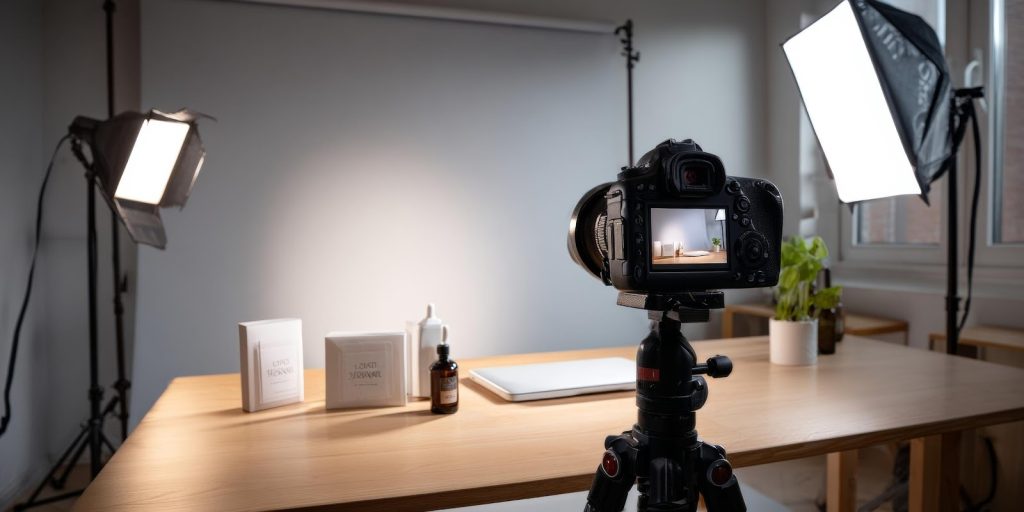
Online shoppers buy with their eyes first. Before they read a description, before they compare specs, before they scroll reviews, they look at your product photo and make a snap judgment: “Does this feel legit?” Lighting is the engine behind that judgment. It shapes clarity, mood, texture, and perceived quality. It can make a simple product look premium or make a premium product look cheap.
The catch is that lighting for ecommerce is not the same as lighting for art. You’re not trying to create dramatic mystery unless that’s part of your brand. Most of the time, you’re trying to create something better: clear, controlled, and flattering light that makes the product feel real and desirable.
Below are lighting techniques that make products stand out online, with practical setups you can repeat whether you’re shooting with a phone or a camera.
What “Good Ecommerce Lighting” Actually Means
Great product lighting does four things at once:
It shows the product clearly at small sizes (thumbnails and grids)
It reveals texture and shape without harshness
It maintains accurate, consistent color across products
It creates a mood that matches your brand positioning
If your lighting creates confusion, glare, weird color casts, or flatness, it hurts conversions. If your lighting creates clarity, depth, and trust, it helps sales.
Technique 1: Soft Window Light for Clean, Premium Results
Soft window light is the most accessible lighting technique for ecommerce, and it can look remarkably high-end when used correctly. The key is to avoid direct sunlight, which creates hard shadows and blown highlights.
How to do it:
Choose a large window with indirect light (north-facing is often consistent)
Turn off overhead room lights to avoid mixed color temperatures
Place your product about 1 to 3 feet from the window
Angle the product 45 degrees to the window for gentle shadow shape
Use a white foam board opposite the window to bounce light and soften shadows
Why it works:
Window light is broad and naturally diffused. It wraps around products, shows texture, and creates a pleasing, believable look. It’s especially effective for cosmetics, packaged goods, ceramics, clothing details, and small products.
Pro tip:
If the light is still too harsh, hang a sheer white curtain or a thin white sheet over the window to soften it further.
Technique 2: Side Lighting to Create Shape and Depth
Front lighting can look clean, but it can also make products look flat. Side lighting adds dimension by creating gentle shadow transitions that reveal shape.
How to do it:
Move the light source slightly to the side of the product
Keep the opposite side filled with a reflector so shadows don’t go too dark
Adjust the angle until you see shape without harsh contrast
Why it works:
Online shoppers want to “feel” the product visually. Side lighting helps textures and contours stand out, making products look more tangible and premium.
This is especially useful for:
Textured packaging
Embossed labels
Fabric and apparel
Food products
Handmade goods with surface detail
Technique 3: The “Fill Card” Trick for Softer Shadows
Shadow control is one of the fastest ways to make product photos look professional. Hard, dark shadows can feel harsh and cheap. Soft shadows feel controlled and premium.
A fill card is simply a white surface that reflects light back into the shadow side.
How to do it:
Place a white foam board, poster board, or even a white sheet opposite your main light
Move it closer to brighten shadows
Move it farther to deepen shadows slightly for a more dramatic premium look
Why it works:
Fill cards give you control. They let you keep depth without losing detail, creating a balanced look that works well across a catalog.
Technique 4: Negative Fill for Luxury Contrast
Sometimes the goal is not softer shadows. Sometimes you want controlled contrast that feels luxurious. That’s where negative fill comes in.
Negative fill means using a black surface to absorb light and deepen shadows intentionally.
How to do it:
Place a black foam board or black cloth near the shadow side of the product
Adjust distance until shadows deepen in a controlled way
Keep highlights soft with diffusion so the contrast feels elegant, not harsh
Why it works:
Luxury brands often use deeper shadows and stronger shape definition, but it’s still controlled. Negative fill helps products feel sculpted and premium.
This technique is great for:
Glass bottles
Watches and jewelry
High-end packaging
Tech products
Dark or metallic finishes
Technique 5: Diffusion for Glossy and Reflective Products
Glossy products can be challenging because they reflect everything: the room, the camera, the window, your hands, and random highlights. Uncontrolled reflections look messy and reduce trust.
Diffusion makes reflections smoother and more flattering.
How to do it:
Use a softbox if you have one
Or diffuse window light with a sheer curtain
Or create a DIY diffuser with a translucent shower curtain liner or tracing paper
Keep the light source large relative to the product for softer reflections
Why it works:
Big, soft light creates smooth highlight gradients. That makes reflective surfaces look clean and high quality instead of chaotic.
Technique 6: Backlighting for Transparent and Translucent Products
If you sell products like beverages, skincare in translucent bottles, glassware, or anything that benefits from a glowing look, backlighting can make it stand out instantly.
How to do it:
Place a light source behind the product
Use diffusion between the light and product to prevent hotspots
Add a reflector in front to keep labels readable
Adjust until the product glows without losing detail
Why it works:
Backlighting adds visual energy. It makes transparent products look luminous and fresh, and it creates a premium “ad-like” feel when done carefully.
Technique 7: Two-Light Setup for Consistent Catalog Results
If you want more control and repeatability than window light, a simple two-light setup can produce consistent results across your entire store.
A basic approach:
Key light: softbox at 45 degrees to the product
Fill light or reflector: on the opposite side to control shadows
Optional background light: if you want a bright white background without overexposing the product
Why it works:
Consistency is king in ecommerce. A two-light setup helps you maintain consistent exposure, shadow shape, and color across products, even when shooting at night or during different seasons.
Technique 8: Controlling Color Temperature for Accurate Products
Color accuracy is essential for trust. Lighting temperature affects how customers perceive product color, especially whites, creams, and skin-adjacent tones.
How to keep color consistent:
Avoid mixing light sources (daylight plus warm bulbs)
Use one lighting type per shoot
Set white balance manually if possible
Shoot RAW if you plan to edit, because it gives more flexibility
Why it works:
When customers trust that the color is accurate, they feel safer buying. Safer buyers convert more often and return less.
Technique 9: Feathering Light for Smooth Gradients
Feathering means aiming the edge of the light at the product instead of pointing the brightest center directly at it. This creates smoother gradients and reduces hotspots.
How to do it:
Angle your softbox or window light so the product is lit by the softer edge of the beam
Rotate slightly until highlights look controlled and shadows feel natural
Why it works:
Feathering creates a refined look. It’s a subtle technique, but it’s one of the reasons some product photos look “expensive” without being dramatic.
Technique 10: Use the Background as a Light Tool
Backgrounds are not passive. They reflect light and influence mood.
Light backgrounds reflect more light, creating brighter, airy images.
Dark backgrounds absorb light, creating deeper contrast and a more luxurious feel.
Choose backgrounds intentionally based on your lighting goal. A small change in background can make a huge difference in how much fill light bounces back into your shadows.
Stock Photography as a Lighting Study Tool
Even if you shoot all your own product photos, it can be surprisingly useful to study stock photography in a positive way. High-quality stock images often succeed because their lighting is clean, readable, and designed to communicate instantly. By analyzing how those images shape reflections, control shadows, and maintain consistent color, you can train your eye and improve your own lighting decisions. Treat it like a lighting library: a way to learn what “clear and convincing” looks like across different product types.
A Simple Lighting Workflow You Can Repeat
If you want consistent results without getting overwhelmed, use this workflow:
- Choose one main light source (window or softbox)
- Diffuse it until highlights and shadows feel soft
- Add a white reflector to control shadows
- Adjust angle for shape (side light works well for dimension)
- Add negative fill if you want a premium, sculpted look
- Check reflections and clean the product
- Lock camera position and shoot your standard angles
- Edit for consistency and accurate color
Repeatability is what makes your catalog look professional.
The Real Secret: Lighting Is Trust in Disguise
Lighting techniques make products stand out online because they make products feel real. Real means clear. Clear means trustworthy. Trustworthy means purchasable.
When your light is soft, controlled, and consistent, customers stop guessing. They can see texture. They can judge quality. They can imagine ownership. They can buy with confidence.
You don’t need complicated gear. You need intentional light, a repeatable setup, and a focus on clarity. Once you have those, your products won’t just look better. They’ll feel better to shop for. And that’s what turns browsing into buying.
