

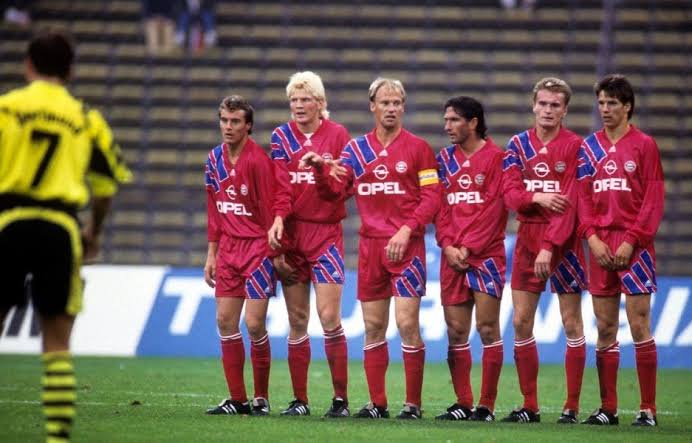
The global dominance of Spain’s national team and Pep Guardiola’s Barcelona during the early 2010s triggered a widespread tactical trend across La Liga, with many mid-tier clubs attempting to implement possession-oriented systems. However, while the league’s elite possessed the world-class talent necessary to turn deep territorial dominance into high-frequency shooting opportunities, several smaller clubs lacked the explosive attacking profiles required to breach disciplined defensive shapes. This tactical limitation led to a phenomenon known as sterile possession—controlling the ball for long stretches through horizontal, low-risk passing circuits without generating genuine penetration or shot volume. For data-driven sports analysts, identifying these low-efficiency possession teams was a highly lucrative angle, as their inflated control statistics consistently masked an underlying structural inability to convert possession into goals.
Why High Possession Metrics Do Not Guarantee Offensive Penetration
The core misunderstanding surrounding possession data stems from treating ball retention as an inherent measure of attacking intent rather than a defensive stabilization mechanism. In the 2012/2013 La Liga season, several teams intentionally kept the ball in their own half or around the midfield circle primarily to suppress the opposition’s transition opportunities. This approach reduced the overall tempo of the match but frequently resulted in a stagnant offensive structure when the team finally attempted to enter the final third.
Without dynamic off-the-ball movement or players capable of winning isolated one-on-one duels in wide areas, possession becomes entirely circular. Opposing managers quickly realized that they could simply concede the ball to these low-efficiency teams, dropping their players into compact low-blocks and allowing the possession side to pass laterally from fullback to fullback. This tactical compliance completely neutralized the possession team’s territorial advantage, leaving them highly vulnerable to rapid counter-attacks while their own ball-retention metrics remained artificially high.
Identifying the Primary Outliers of Stagnant Passing Systems
Isolating the clubs that suffered from this structural disconnect requires cross-referencing average possession percentages with deep final-third metrics, specifically shots on target per match and passing velocity. Clubs like Málaga, Real Betis, and even mid-table outfits like Espanyol frequently displayed long periods of slow, deliberate buildup play that yielded surprisingly few actual entries into the opposition penalty area.
To clearly demonstrate how this mathematical imbalance materialized across specific tactical configurations, we can evaluate a targeted selection of matchups where high-volume ball retention failed to produce corresponding offensive production.
- Málaga vs. Defensive Low-Blocks: Manuel Pellegrini’s side occasionally fell into overly intricate passing sequences, passing around the box without launching shots against deep lines.
- Real Betis Away Profiles: Exhibited high ball control on the road to quiet hostile home crowds but struggled to progress the ball into central shooting zones.
- Espanyol’s Midfield Consolidation: Maintained long passing sequences between their central defensive midfielders that rarely translated into vertical penetration.
The on-pitch manifestation of these systems meant that these teams were highly susceptible to finishing matches with high possession figures but total shot counts in the single digits. This structural friction occurred because their midfielders lacked the vertical urgency required to disrupt a settled defensive shape. Instead of executing risky, line-breaking passes, they consistently chose the safer horizontal option, allowing the defending team to shift their blocks comfortably and maintain perfect structural coverage over 90 minutes.
A Quantitative Comparison of Ball Retention vs Shot Productivity
A rigorous statistical breakdown reveals a massive disconnect between total match control and genuine threat generation among the league’s non-elite sides. When a team spends an entire half cycling possession across the backline without testing the opposition goalkeeper, their traditional match-pricing metrics become heavily distorted.
The data table below breaks down the regular-season performance of selected 2012/2013 La Liga teams, illustrating the stark contrast between their average ball control and their ultimate shot-generation efficiency.
| Club | Average Possession % | Passes Per Shot | Shots On Target Per Match | Goals Scored Per Match |
| Málaga | 53.4% | 41.2 | 4.1 | 1.39 |
| Real Betis | 51.2% | 44.5 | 3.8 | 1.50 |
| Espanyol | 48.9% | 48.7 | 3.5 | 1.13 |
| Rayo Vallecano | 56.1% | 31.8 | 5.2 | 1.32 |
An objective interpretation of this dataset exposes the specific inefficiency of teams like Espanyol and Real Betis, who required nearly 45 to 50 passes to produce a single shooting attempt. In comparison, an ultra-aggressive pressing side like Rayo Vallecano maintained a higher possession average but executed their passing circuits with immense vertical urgency, requiring far fewer passes to manufacture a shot. For a market analyst, recognizing Espanyol’s high-pass, low-shot distribution offered a clear signal to fade their match totals, as their deliberate buildup patterns systematically starved their games of offensive volume and reduced the overall goal-scoring baseline.
The Mechanical Failures That Paralyzed Sterile Attacking Units
The structural collapse of a possession system inside the final third is generally driven by specific mechanical deficiencies within the team’s tactical framework. When a squad prioritizes spatial control over vertical acceleration, they give opposition defenders ample time to recover their defensive positions.
The Lack of Line-Breaking Midfield Passers
Without an elite playmaker capable of executing incisive, one-touch vertical balls through the central corridors, possession stalls. The central midfielders become overly reliant on recycling the ball backward or sending slow, predictable diagonal balls out to the fullbacks.
Ineffective Attacking Rotations in the Half-Spaces
Sterile dominance often fails because the forwards remain static, failing to execute the decoy runs or lateral movements necessary to pull central defenders out of position. This lack of rotation ensures that even when the ball reaches the edge of the area, the player in possession has no viable passing options forward.
How Environmental Pressure Alters Passing Vulnerabilities
While tactical blueprints remain relatively stable, the physical and emotional conditions of a match can heavily intensify a team’s tendency to fall into sterile possession patterns. During the high-pressure final months of the 2012/2013 season, teams competing for lucrative European qualification positions often grew overly cautious, relying on slow passing to minimize risk rather than to create chances.
The Psychological Drift Toward Safety Passes
When the stakes are incredibly high, players naturally seek to minimize individual turnovers, which manifests in a sudden spike in backward and lateral passing. This conservative mindset lowers the overall shot creation metrics of the game, creating highly specific betting opportunities.
Exploiting Inflated Possession Prices Live
In fixtures where a favored possession side struggles to break down an opponent, live odds engines often overvalue the team simply because they control 60% of the ball. Contrast this algorithmic bias with a calculated real-world reading of the match’s tempo; executing live adjustments through an advanced sports betting service like ufa168 allows savvy observers to locate premium pricing on low-goal lines or underdog handicaps before the market corrects for the lack of actual shot production.
Why Technical Low-Blocks Systematically Destroy Slow Buildup Systems
The definitive tactical failure case for a low-efficiency possession team occurs when they face a well-drilled, highly disciplined defensive low-block. In 2012/2013, clubs operating in the lower third of the standings often conceded the middle of the pitch entirely, setting up a deep defensive shield right outside their own eighteen-yard box.
The Mechanism of the Compact Low Block
By compressing the space between their defensive and midfield lines to less than fifteen meters, the defending team leaves no room for the possession side to slide passes into the central pockets. Any attempt to pass through the middle results in a high turnover, leading directly to a dangerous counter-attack against the possession team.
The Complete Neutralization of Wide Crosses
When a slow-buildup team is forced to send the ball wide to the fullbacks, the defending low block can easily shift laterally to create numerical superiorities on the flanks. This defensive coverage forces the attacking team to launch hopeful, low-probability crosses into a heavily populated penalty area, where physical defenders can comfortably clear the ball.
Capitalizing on Algorithmic Inefficiencies in Total Goals Markets
Advanced football modeling requires understanding how automated bookmaker algorithms treat possession data, as high ball-retention percentages are historically associated with offensive dominance and high scoring potential in general sports pricing frameworks.
The Mispricing of the Under Goal Line
Because public liability and automated models frequently assume that high possession metrics naturally correlate with an active scoreboard, lines on total goals for these specific matchups are often set too high. Analysts who isolate teams with high passes-per-shot metrics can consistently secure excellent value by backing the under market.
Tracking Live Market Deviations Across Virtual Ecosystems
To maximize edge, analysts must closely observe how these slow-tempo passing dynamics continuously reshape live handicap and derivative lines across the broader gaming landscape. Observation → implication → reference suggests that tracking these real-time statistical imbalances within a highly responsive casino online website provides an invaluable analytical sandbox, revealing exactly how digital risk engines balance heavy public volume against the cold, mathematical reality of an attacking unit trapped in sterile possession.
Summary
The data from the 2012/2013 La Liga campaign demonstrates that high ball retention was frequently an illusion of dominance rather than an indicator of genuine offensive efficiency. Teams like Espanyol and Real Betis controlled possession for long stretches through low-risk, horizontal passing networks, yet their high passes-per-shot metrics exposed an underlying structural failure to penetrate settled low-blocks or generate high-quality shot volume. Ultimately, capitalizing on these tactical anomalies required looking far past basic possession percentages, allowing data-driven analysts to systematically identify value by fading public expectations in total goals and handicap markets where sterile passing structures choked the natural rhythm of the match.
