

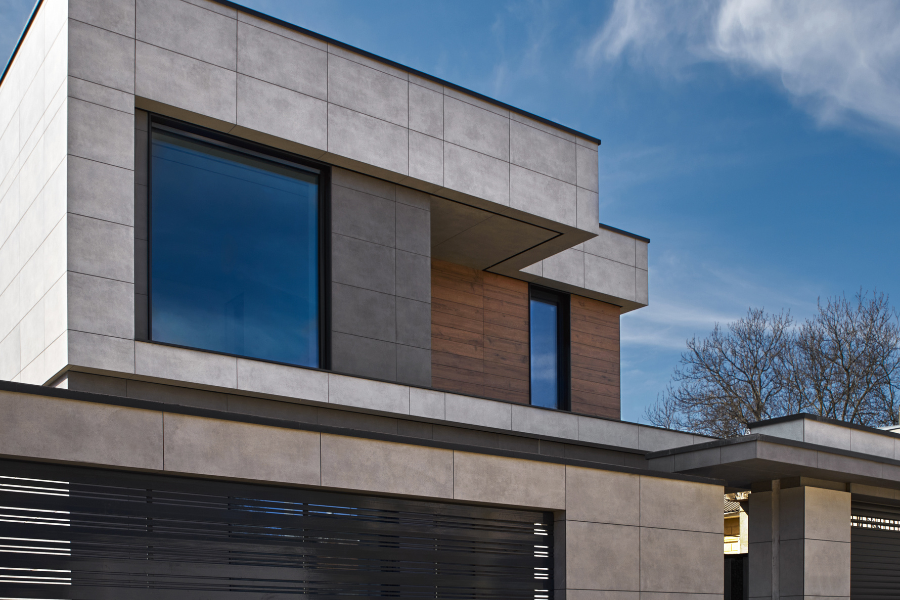
The exterior of a home is constantly exposed to sunlight, rain, humidity, pollution, and changing temperatures. Choosing the right cladding material is therefore about more than appearance; it directly influences durability, maintenance, and long-term protection. While traditional options like stone wall cladding remain popular for their classic, rugged charm, modern homeowners increasingly seek advanced, engineered materials. These innovative surfaces are specifically designed to withstand harsh environmental conditions while seamlessly complementing contemporary architecture, ensuring that your home’s facade remains highly durable, visually striking, and completely future-proof for many years to come.
What Makes a Good Exterior Wall Cladding Material?
Exterior wall cladding serves as both a protective layer and a defining architectural feature. While many opt for traditional stone facade cladding, the selected material must enhance the building’s appearance and maintain its performance despite continuous exposure to the elements.
Some of the key characteristics include:
- Weather resistance: The material should withstand rain, humidity, and changing temperatures.
- UV resistance: Good UV stability helps prevent fading and discoloration over time.
- Durability: Resistance to scratches, impacts, and environmental wear helps maintain the facade.
- Low maintenance: Materials requiring minimal repairs or refinishing reduce long-term upkeep.
- Fire resistance: Suitable cladding materials enhance safety in exterior applications.
- Design flexibility: A variety of colors, textures, and finishes supports different architectural styles.
These qualities have made high-performance cladding materials increasingly popular in modern residential architecture.
10 Popular Exterior Wall Cladding Materials
Homeowners today can choose from a wide range of exterior wall cladding materials, each offering varying levels of durability, maintenance requirements, and design flexibility.
Natural Stone
Natural stone provides a timeless appearance and excellent structural strength. It complements both traditional and contemporary homes but often requires periodic sealing to maintain its appearance.
Brick Cladding
Brick cladding creates a classic exterior with good durability and weather resistance. It requires relatively little maintenance but offers limited design flexibility compared to modern cladding materials.
Wood Cladding
Wood introduces warmth and natural character to a home’s exterior. However, prolonged exposure to moisture, sunlight, and insects means it requires regular treatment and maintenance.
Fiber Cement Panels
Fiber cement panels offer good resistance to moisture, fire, and pests. They are available in different textures but may require repainting after years of exposure.
Exterior Tiles
Exterior tiles are available in numerous colours and finishes while providing good resistance to moisture and everyday weather conditions. Individual tiles, however, may chip under impact.
Metal Cladding
Metal cladding creates a sleek, contemporary appearance while offering excellent structural durability. Proper protective coatings help minimise corrosion in harsh environments.
Concrete Panels
Concrete panels suit minimalist architecture and provide excellent strength. Their weight and installation requirements can increase overall project complexity.
HPL (High-Pressure Laminate)
HPL panels are lightweight and available in a variety of decorative finishes. Their performance depends on installation quality and prolonged exposure to external conditions.
Composite Cladding
Composite materials combine different components to improve durability and reduce maintenance. They are commonly used for contemporary residential exteriors.
Engineered Stone Cladding
An engineered stone facade combines the appearance of natural stone with enhanced durability. Its non-porous surface offers excellent resistance to moisture, UV exposure, stains, scratches, and weathering while requiring minimal maintenance, making it well-suited for long-term exterior applications.
Comparing Exterior Wall Cladding Materials
Every exterior wall cladding material offers distinct advantages, but its long-term performance depends on factors such as weather resistance, durability, and maintenance requirements. Comparing these materials across key parameters helps identify the most suitable option for homes exposed to changing environmental conditions.
| Feature | Natural Stone | Brick | Wood | Fiber Cement | Engineered Stone Cladding |
| Weather resistance | Excellent | Excellent | Moderate | Good | Excellent |
| UV resistance | Excellent | Excellent | Moderate | Good | Excellent |
| Moisture resistance | Good | Good | Low | Good | Excellent |
| Maintenance | Moderate | Low | High | Moderate | Low |
| Design consistency | Moderate | Moderate | Moderate | Good | Excellent |
| Long-term durability | Excellent | Excellent | Moderate | Good | Excellent |
Engineered stone wall cladding stands out by combining durability, weather resistance, and low maintenance in a single material. These qualities have made it an increasingly preferred choice for modern facades. For example, brands such as Neotra Advanced Surfaces offer large-format engineered surfaces that combine weather resistance with nature-inspired aesthetics for exterior wall cladding.
Facade Design Trends Shaping Modern Homes
Modern facade design is evolving toward materials that deliver both architectural impact and long-term performance. Clean lines, seamless surfaces, and nature-inspired finishes continue to shape contemporary residential exteriors.
Large-Format Stone Cladding
Large-format cladding panels create expansive, uninterrupted surfaces with fewer visible joints, resulting in a cleaner and more refined facade. Their seamless appearance also helps emphasise modern architectural forms while simplifying exterior maintenance.
Minimalist Facades
Minimalist facades focus on simple geometry, neutral colour palettes, and uncluttered surfaces. This design approach creates timeless exteriors that remain visually appealing without relying on excessive detailing.
Mixed-Material Exteriors
Combining materials such as glass, metal, wood, and stone adds depth and visual contrast to a building’s exterior. This layered approach allows architects to balance texture, colour, and functionality while creating distinctive facade designs.
Natural Stone-Inspired Designs
Stone-inspired finishes continue to gain popularity by recreating the appearance of natural materials while offering greater consistency across large surfaces. They complement both residential and commercial architecture and pair well with a wide range of contemporary design styles.
As these trends continue to influence modern architecture, selecting the right colours and finishes becomes equally important in creating an exterior that remains visually appealing for years.
Conclusion
Selecting the right exterior wall cladding material involves balancing aesthetics with long-term performance. While brick, wood, natural stone, and fiber cement each offer distinct advantages, engineered stone facade solutions provide an excellent combination of durability, weather resistance, and low maintenance. By comparing different stone wall cladding materials based on performance, design, and upkeep, homeowners can create facades that remain both functional and visually appealing for years to come.
