

There’s a particular frustration familiar to anyone running billing operations for an inpatient or skilled nursing practice: the same denial reason showing up month after month, on different patients, different payers, but with a stubbornly familiar root cause that nobody’s quite gotten around to fixing.
That recurring frustration is precisely why a structured approach to denial management in RCM matters so much, particularly as payer scrutiny intensifies and denial rates climb industry-wide.
The Scope of the Problem
Denial rates have jumped from 8% to 11% in just one year, and some insurers now deny nearly one in five in-network claims. For inpatient providers managing high claim volumes and complex coding requirements, that trend translates directly into lost revenue, delayed cash flow, and mounting administrative burden, unless denial management becomes a deliberate, ongoing discipline rather than a reactive scramble.
Breaking Down the Core Process
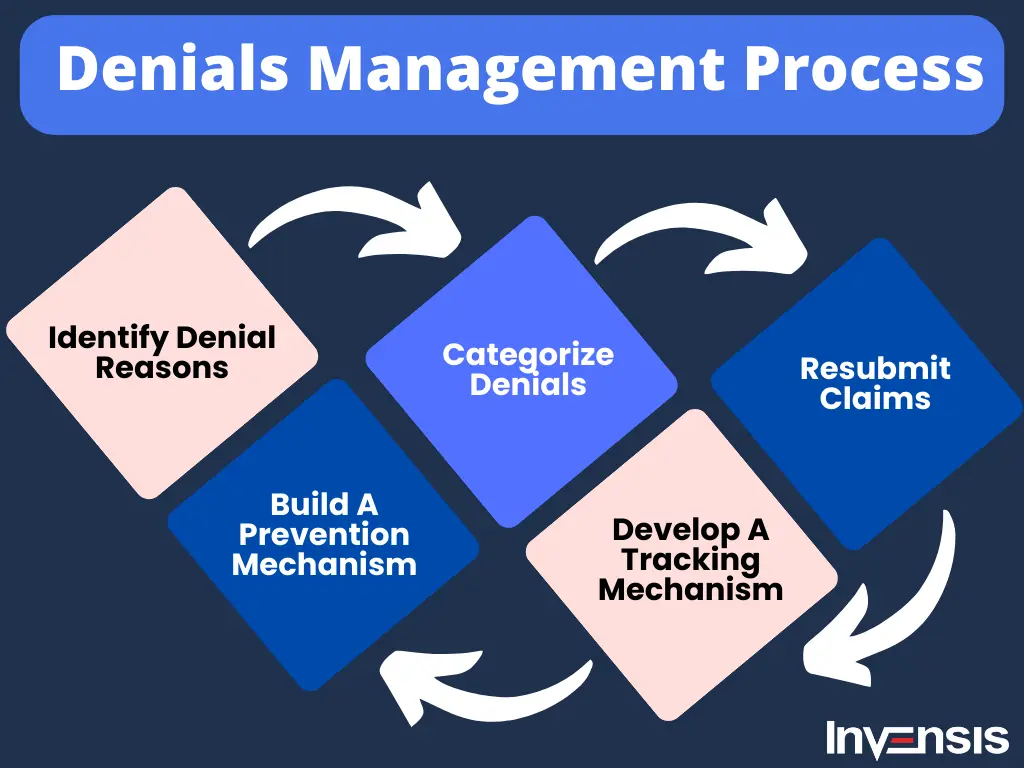
Effective denial management rests on four sequential steps. Identifying denials quickly is the foundation, since delayed detection risks missing resubmission deadlines entirely. Analyzing and categorizing denials comes next, separating isolated mistakes from systemic patterns worth addressing at the process level. Correcting and resubmitting promptly follows, taking advantage of the fact that many denials resolve through simple fixes like adding missing documentation or correcting a code. Finally, formal appeals become necessary when a properly covered, well-documented service still gets denied, requiring clear evidence to support the claim.
The Multiplying Costs of Inaction
Denials don’t just cost the revenue tied to a single claim. They disrupt overall cash flow, forcing teams to chase payments that should have arrived on schedule. They inflate administrative costs through repeated resubmissions and appeals. They frustrate patients who end up facing unexpected bills through no fault of their own. And persistent errors or documentation gaps can trigger broader compliance concerns during payer audits.
Why a Prevention-First Strategy Pays Off
Reworking a denied claim costs between $25 and $118, depending on complexity. Multiply that across a high-volume inpatient practice, and the financial case for prevention becomes obvious. Cutting your denial rate in half could save thousands of dollars in administrative costs every single month.
Building that prevention strategy starts with a few core habits: keeping billing and coding staff continuously trained on shifting payer policies, strengthening clinical documentation so medical necessity is unmistakable, ensuring credentialing and billing teams communicate regularly so contract or provider-number issues get caught early, tracking denial patterns by payer, code, and claim type, and deploying technology that catches eligibility issues and coding inconsistencies before submission rather than after.
The Denial Patterns That Deserve Special Attention
A handful of denial categories consistently cause outsized damage to inpatient practices. Missing authorizations frequently mean permanent revenue loss, since most payers refuse retroactive approval. Denials citing services not covered usually trace back to gaps in eligibility verification rather than genuine coverage exclusions. Duplicate claims point to systems that aren’t properly synchronized, often affecting more claims than initially apparent. Timely filing denials represent revenue that’s gone for good once deadlines pass. And coding inconsistencies can prompt payers to question medical necessity broadly, sometimes triggering reviews that extend beyond the original claim.
How Technology Changes the Equation
AI-powered denial management tools increasingly handle work that used to require extensive manual review: spotting likely errors before submission, flagging claims with a high probability of denial, identifying missing prior authorizations, and categorizing denials with recommended next steps. This kind of support doesn’t replace human judgment, but it does dramatically reduce the repetitive burden on billing teams while improving the speed and accuracy of claims moving through the system.
Turning Denial Management Into a Competitive Advantage
For inpatient providers operating on tight margins, treating denial management as a core operational discipline, rather than an occasional cleanup task, protects revenue in a way that compounds over time. Combining staff training, stronger documentation, cross-departmental communication, and the right AI-assisted tools gives practices a realistic, sustainable path toward lower denial rates and a healthier, more predictable revenue cycle.
