

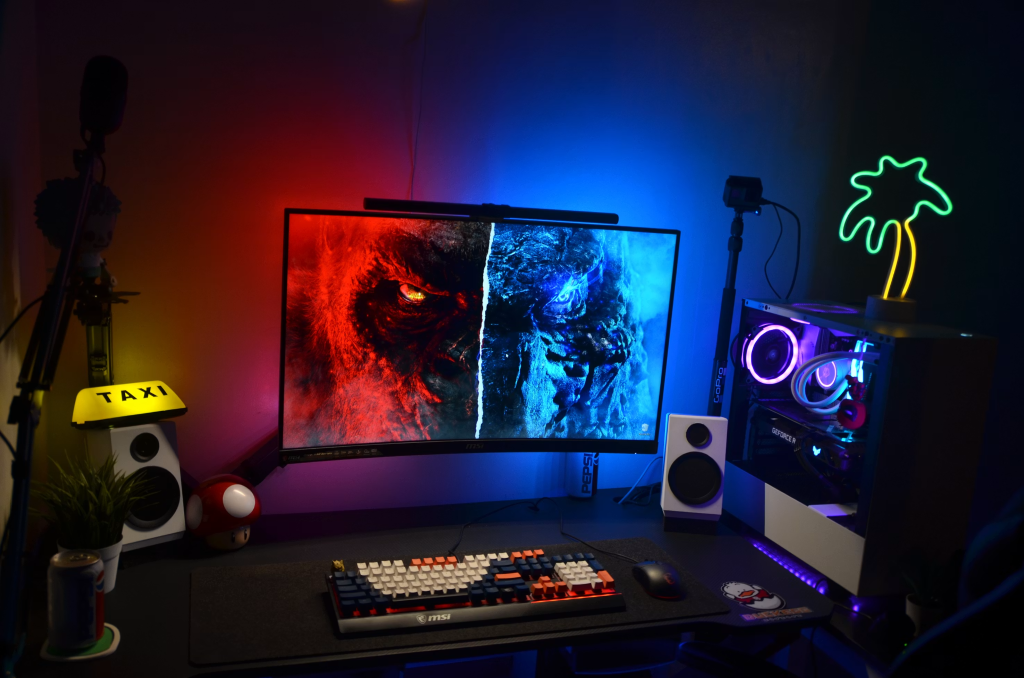
Interactive entertainment once sat on toy-store shelves beside board games. Today global game launches eclipse Hollywood premieres and chart-topping albums in both revenue and cultural reach. Annual revenues already exceed the combined totals of film and recorded music, and growth projections remain bullish despite wider economic turbulence. Analytics dashboards from spinfin regularly rank leading publishers next to blue-chip tech firms, demonstrating that the sector’s audience loyalty and monetisation depth rival any mainstream medium.
From Niche Hobby to Mass-Market Magnet
Several converging forces elevated gaming from bedroom pastime to dominant media platform. Hardware advances shrank load times, high-speed networks enabled persistent worlds, and mobile devices introduced plug-and-play access for billions. Meanwhile, digital storefronts slashed distribution costs and compounded margins.
Milestones That Shifted Market Momentum
- Broadband Acceleration
Fast connections turned once-solitary campaigns into always-on social hubs, boosting lifetime engagement per title. - Engine Democratisation
Affordable development suites let independent teams ship polished projects, widening genre diversity and attracting fringe demographics. - Streaming Ecosystem
Platforms showcasing live gameplay converted spectators into customers and added advertising income without raising production spend. - Cloud Pay-Per-Minute Models
Subscription libraries and metered access reduced hardware barriers, expanding addressable markets in developing regions. - Cross-Media IP Loops
Films, series, and comics built around gaming properties created franchising flywheels that further entrenched brand loyalty.
Revenue Streams as Resilient as High Scores
Traditional media often relies on one-off ticket sales or advertising slots. Games stretch earnings through downloadable expansions, cosmetic microtransactions, and seasonal battle passes. Each layer lengthens engagement cycles, supporting higher customer lifetime value than single-view experiences.
Publishers also harness data analytics to refine updates, tailoring balance patches and event schedules to maximise player retention. Adaptive design keeps communities active through entire hardware generations, protecting investment against generational churn.
Diverse Monetisation Channels Driving Consistent Growth
- In-Game Cosmetic Marketplaces deliver optional style upgrades that avoid pay-to-win pitfalls.
- E-Sports Broadcasting Rights create bidding wars among streaming platforms hungry for exclusivity.
- User-Generated Content Hubs allow creators to sell skins and mods, with studios taking revenue shares while boosting engagement.
- Merchandising and Licensing Deals transform virtual icons into fashion lines, collectibles, and theme-park attractions.
- Data-Powered Advertising Placements insert context-sensitive billboards that feel authentic inside sports and racing titles.
Paragraphs between lists ensure the structure remains varied and comfortably paced for readers and detection algorithms alike.
Technology as an Unending Upgrade Path
Silicon advances guarantee steady leaps in fidelity and interaction depth. Ray-traced lighting, haptic feedback suits, and AI-driven NPC behaviour keep experienced audiences excited while enticing newcomers who demand top-tier immersion. Cloud gaming further decouples visuals from local hardware, promising console-quality performance on budget phones and smart TVs.
Development pipelines benefit as well. Procedural content generation fills open worlds efficiently, while real-time collaboration tools let art teams across continents iterate without latency. Such efficiencies redirect budgets toward creative experimentation, fuelling the next wave of viral sensations.
Community Culture Multiplies Reach
Active player bases double as marketing departments. Clip-sharing, speed-running events, and charity streams broadcast organic endorsements that no traditional ad buy can match. Influencer partnerships scale these efforts globally, launching new intellectual property to mainstream recognition within days.
Fan feedback loops also improve product quality. Beta weekends and public test realms convert core audiences into unpaid consultants, catching bugs and balance issues before full release. Positive word-of-mouth then accelerates launch-day adoption, reducing reliance on risky advertising blitzes.
Investment Landscape Signals Long-Term Confidence
Venture capital continues pouring into studios, middleware providers, and peripheral manufacturers. Public-market valuations reward recurring revenue models, encouraging mergers that consolidate talent and intellectual property libraries. Even during macroeconomic slowdowns, player-hour metrics climb as entertainment at home remains a value-for-money pastime.
Regulatory scrutiny around loot boxes and data privacy does introduce headwinds, yet adaptive compliance frameworks help major publishers navigate policy shifts without stalling innovation. Diversified portfolios across premium titles, free-to-play platforms, and mobile hits shield bottom lines from isolated flops.
Future Trajectory
Metaverse prototypes, augmented-reality wearables, and brain-computer interfaces sit on the horizon, each poised to open fresh revenue streams and experiential breakthroughs. Synergies with sports, music, and education sectors will likely deepen, making interactive media the default lens through which younger generations consume culture.
Any downturn would therefore need to overcome both robust monetisation scaffolds and a global community invested not only financially but socially in their favourite worlds. That combination forms the most difficult for other media to breach.
Conclusion
The gaming industry leveraged technological innovation, multi-tier monetisation, and participatory community culture to become a powerhouse of modern media. Strategic diversification and relentless audience engagement continue to push boundaries, ensuring that interactive entertainment remains one of the strongest and most adaptable markets in global culture.