

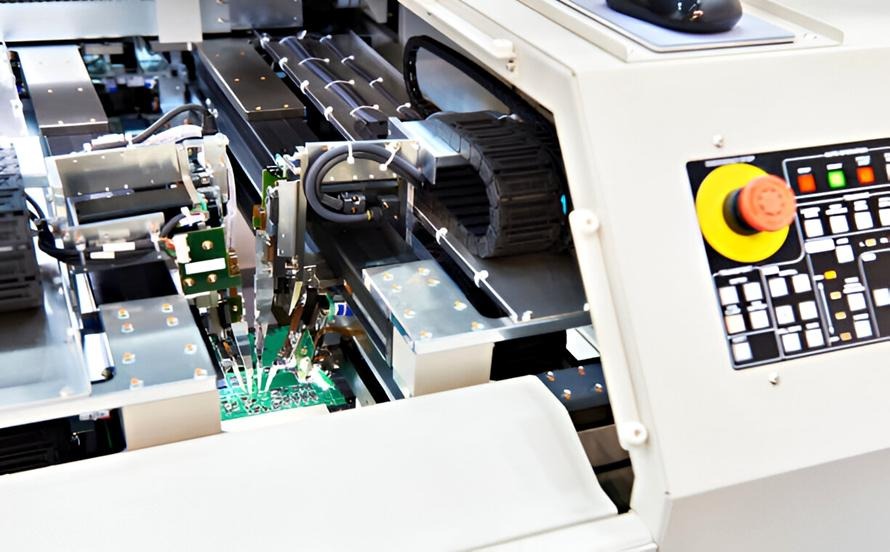
As the electronics industry continues to grow, companies are under increasing pressure to reduce costs, accelerate product development, and maintain high-quality manufacturing standards. Building and managing an in-house assembly facility can require significant investments in equipment, labor, training, and quality control systems. As a result, many businesses are turning to PCB Assembly Outsourcing as a strategic solution to improve efficiency and remain competitive in the global marketplace.
PCB Assembly Outsourcing allows companies to partner with specialized electronics manufacturing service providers that have the expertise, equipment, and resources necessary to produce high-quality printed circuit board assemblies. From startups developing prototypes to multinational corporations producing complex electronic products, outsourcing has become an essential part of modern electronics manufacturing.
What Is PCB Assembly Outsourcing?
PCB Assembly Outsourcing is the practice of contracting a third-party manufacturer to perform the assembly of printed circuit boards instead of handling production internally.
The outsourcing partner is responsible for mounting electronic components onto printed circuit boards, soldering connections, conducting inspections, and performing testing procedures according to the customer’s specifications.
Depending on the agreement, outsourced manufacturers may also provide additional services such as:
- Component sourcing
- PCB fabrication
- Prototype assembly
- Functional testing
- Box build assembly
- Supply chain management
- Logistics support
By outsourcing these activities, companies can focus on product design, marketing, customer support, and business growth while leveraging the expertise of specialized manufacturing providers.
Why Companies Choose PCB Assembly Outsourcing
The growing popularity of PCB Assembly Outsourcing is driven by several important business advantages.
Manufacturing electronic assemblies requires significant investments in machinery, facilities, technical expertise, and quality assurance systems. Many companies find that outsourcing offers a more practical and cost-effective alternative.
By partnering with experienced manufacturers, businesses gain access to advanced production capabilities without the burden of building and maintaining their own facilities.
This approach helps organizations remain flexible while reducing operational risks and expenses.
Cost Reduction Benefits
One of the primary reasons companies pursue PCB Assembly Outsourcing is cost savings.
Establishing an internal assembly operation requires substantial capital investments in:
- Pick-and-place machines
- Reflow ovens
- Inspection equipment
- Testing systems
- Production facilities
Additionally, businesses must hire and train skilled technicians, engineers, and quality control personnel.
Outsourcing allows companies to avoid these expenses and benefit from the economies of scale achieved by specialized manufacturers.
Large contract manufacturers often purchase components in high volumes, helping reduce material costs and improve pricing competitiveness.
Access to Advanced Manufacturing Technology
Electronics manufacturing technologies continue to evolve rapidly.
Modern PCB assembly facilities utilize advanced equipment capable of handling high-density designs, miniature components, and complex packaging technologies.
Through PCB Assembly Outsourcing, companies gain access to:
- Automated assembly lines
- High-speed placement equipment
- Automated Optical Inspection (AOI)
- X-ray inspection systems
- Advanced testing technologies
These capabilities help ensure product quality and support increasingly sophisticated electronic designs.
For many businesses, accessing such technologies through outsourcing is far more economical than investing in them directly.
Faster Time to Market
Speed is often a critical factor in the success of electronic products.
PCB Assembly Outsourcing can significantly shorten production timelines by leveraging established manufacturing processes and experienced production teams.
Outsourcing providers typically have dedicated resources and streamlined workflows that enable rapid production.
This allows companies to move products from design to market more quickly.
Faster product launches can create competitive advantages and improve revenue opportunities in fast-moving industries.
Scalability and Production Flexibility
Market demand can fluctuate significantly throughout a product’s lifecycle.
One of the major benefits of PCB Assembly Outsourcing is the ability to scale production volumes as needed.
Whether producing a small prototype run or a large-scale production order, outsourced manufacturers can adjust capacity to meet changing requirements.
This flexibility reduces the risks associated with maintaining excess manufacturing capacity or struggling to meet unexpected demand increases.
Companies can respond more effectively to market opportunities while maintaining operational efficiency.
Improved Quality and Reliability
Reputable outsourcing providers maintain strict quality management systems designed to ensure consistent manufacturing performance.
Many manufacturers comply with international quality standards such as:
- ISO 9001
- IPC-A-610
- IPC J-STD-001
- ISO 13485
- IATF 16949
These certifications demonstrate a commitment to quality and process control.
PCB Assembly Outsourcing partners often employ experienced engineers, technicians, and quality specialists who continuously monitor production processes and implement improvement initiatives.
As a result, outsourced assemblies frequently achieve high levels of reliability and consistency.
Supply Chain Management Advantages
Managing electronic component procurement can be a complex and time-consuming task.
Global supply chain disruptions, component shortages, and fluctuating lead times create ongoing challenges for manufacturers.
Many PCB Assembly Outsourcing providers offer component sourcing and supply chain management services.
These providers often have established supplier networks and procurement expertise that help secure components efficiently.
Benefits include:
- Reduced sourcing complexity
- Better inventory management
- Improved component availability
- Lower procurement costs
- Reduced administrative workload
Effective supply chain management contributes to smoother production operations and more predictable delivery schedules.
Potential Challenges of PCB Assembly Outsourcing
While PCB Assembly Outsourcing offers many benefits, companies should also be aware of potential challenges.
Communication can become more complex when working with external manufacturing partners, especially across different countries and time zones.
Intellectual property protection is another important consideration.
Businesses should establish clear agreements regarding confidentiality, data security, and ownership of design information.
Quality expectations must also be communicated effectively to ensure manufacturing results align with project requirements.
Careful partner selection helps minimize these risks and supports successful outsourcing relationships.
How to Choose the Right PCB Assembly Outsourcing Partner
Selecting the right manufacturing partner is one of the most important decisions in the outsourcing process.
Companies should evaluate potential providers based on several criteria.
Important factors include:
- Manufacturing capabilities
- Industry experience
- Quality certifications
- Engineering support
- Testing capabilities
- Production capacity
- Communication practices
- Delivery performance
Visiting manufacturing facilities or conducting supplier audits can provide valuable insights into production processes and quality systems.
Long-term partnerships are often built on trust, transparency, and consistent performance.
Industries That Benefit from PCB Assembly Outsourcing
PCB Assembly Outsourcing supports a wide range of industries.
Consumer electronics manufacturers use outsourcing to produce smartphones, tablets, wearable devices, and smart home products.
Medical device companies rely on specialized assembly providers for diagnostic equipment, monitoring systems, and healthcare technologies.
Automotive manufacturers outsource the production of control units, infotainment systems, and electric vehicle electronics.
Additional industries include:
- Telecommunications
- Aerospace
- Defense
- Industrial automation
- Renewable energy
- Internet of Things (IoT)
The flexibility and expertise offered by outsourcing providers make them valuable partners across many sectors.
Future Trends in PCB Assembly Outsourcing
The future of PCB Assembly Outsourcing is being shaped by advancements in manufacturing technology and global supply chain strategies.
Emerging trends include:
- Smart factory automation
- Artificial intelligence-driven quality control
- Digital manufacturing platforms
- Real-time production monitoring
- Advanced traceability systems
- Sustainable manufacturing practices
As electronic products become increasingly complex, demand for specialized outsourcing partners is expected to continue growing.
Manufacturers that invest in advanced capabilities and strong customer support will remain well-positioned to serve evolving industry needs.
Conclusion
PCB Assembly Outsourcing has become a strategic solution for companies seeking to reduce manufacturing costs, improve product quality, accelerate time to market, and gain access to advanced production technologies. By partnering with experienced electronics manufacturing providers, businesses can focus on innovation and growth while benefiting from specialized expertise, scalable production capacity, and efficient supply chain management. Although outsourcing requires careful partner selection and effective communication, the long-term advantages often outweigh the challenges. Companies looking for reliable and comprehensive PCB assembly capabilities can explore professional manufacturing services through ChinaPCBA to support their electronic product development and production requirements.