

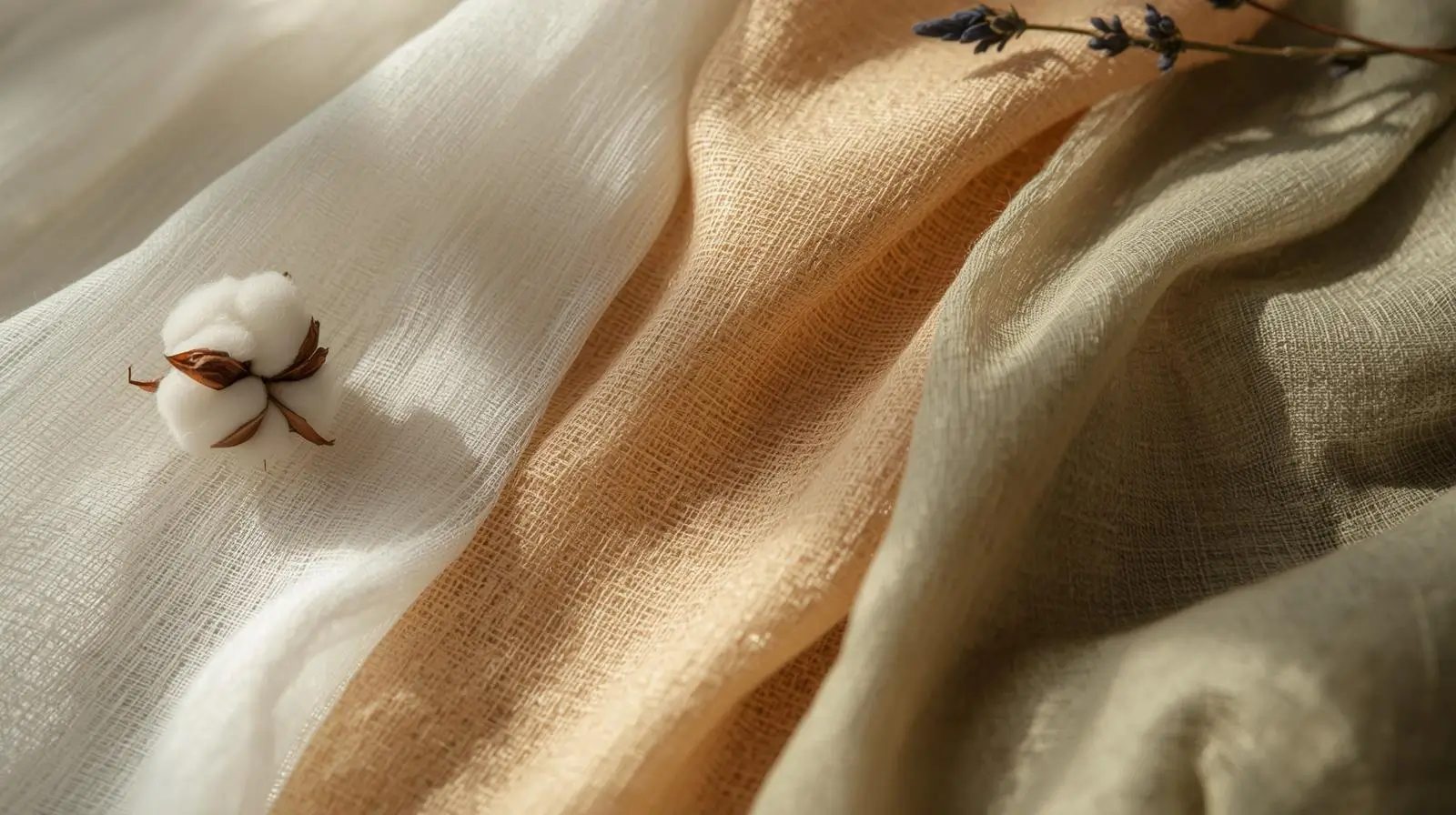
India has become one of the largest global sources of certified Organic Fabrics, supplying brands across Europe, North America, and the domestic conscious fashion market. The category covers organic cotton in woven and knitted forms, hemp and linen blends, and lyocell-organic mixes, with production concentrated across Gujarat, Maharashtra, Tamil Nadu, Madhya Pradesh, and West Bengal.
The selection focuses on vertically integrated mills and specialised manufacturers with active certification, traceable fibre supply, and a documented record of serving B2B fabric buyers. Each entry covers location, fabric specialism, and the certification scope most relevant to buyers.
What to Look for in Organic Fabric Suppliers in India
A reliable Indian organic fabric supplier should hold current GOTS certification covering the full scope of operations relevant to your order, not only the spinning or weaving stage. Buyers should ask for the GOTS Transaction Certificate covering the specific lot being supplied, since the standard requires this documentation at every handoff in the supply chain. Without a valid Transaction Certificate, an organic claim cannot be independently verified at the point of delivery.
Beyond certification, traceability of the fibre back to a named farm, cooperative, or recycling facility is the second screen. Generic claims of “organic cotton” without a documented origin should be treated cautiously, particularly when prices sit well below typical certified rates. Industry investigations have repeatedly flagged uncertified material being passed through as GOTS in supply chains that do not maintain proper Transaction Certificate trails.
The third screen is fit with your specific commercial needs, including MOQ flexibility, lead times, finishing capabilities, and the supplier’s quality consistency across repeat orders. A mill capable of supplying fifty thousand metres per month may not be the right partner for a brand placing five hundred metres per style, and the reverse holds equally. Matching scale to scale is usually more productive than chasing the largest available name.
7 Leading Organic Fabric Suppliers in India
The seven suppliers below operate across the major Indian textile clusters and are commonly cited in international buyer directories for verified organic fabric supply. The list is not ordered by ranking, since the right fit depends on volume, fabric category, and lead time more than any single comparative metric. Treat it as a starting point for direct supplier conversations.
- Pratibha Syntex in Madhya Pradesh is a vertically integrated organic cotton manufacturer supplying knits and wovens to global brands with farm-to-fabric traceability.
- Arvind Limited, headquartered in Gujarat, runs a substantial organic cotton and sustainable denim programme alongside its conventional textile operations and exports.
- Rajlakshmi Cotton Mills in West Bengal supplies GOTS certified organic cotton fabric across woven and knitted categories, with a long export track record.
- RK Cotweaving, based in Tamil Nadu, specialises in GOTS certified organic cotton canvas, sheeting, and hemp-cotton blends for international B2B buyers.
- Anandi Enterprises in Maharashtra produces vertically integrated organic cotton wovens and knits, including jersey, interlock, rib, and fleece constructions.
- KG Fabriks in Tamil Nadu focuses on organic and sustainable denim, with renewable energy use at the factory and water recovery systems in dyeing.
- Herbal Fab supplies organic cotton along with hemp, linen, and Tencel fabrics, serving smaller brands looking for mixed natural fibre options.
Certifications That Matter When Sourcing Organic Fabrics
Several overlapping certifications appear in Indian organic fabric supply chains, and buyers should understand the specific scope each one covers rather than treating them as interchangeable. The same fabric often carries more than one certificate, and the combination tells a fuller story than any single document. Reading the certificates correctly is what separates a verified claim from an assumed one.
GOTS (Global Organic Textile Standard)
GOTS is the central standard for organic textiles and the one most Indian organic fabric suppliers reference first. It covers both the organic status of the fibre and the environmental and social conditions of the entire processing chain, including ginning, spinning, weaving, knitting, dyeing, and finishing. The standard is managed jointly by four international organisations and certified by approved third-party bodies.
- Active GOTS certificate covering the specific facility producing your order.
- Transaction Certificate for the lot being shipped, not only the facility-level certificate.
- Certification scope that covers the relevant processing stages from fibre through to finishing.
OEKO-TEX Standard 100
OEKO-TEX Standard 100 is a separate certification covering harmful substance testing on finished fabric, regardless of whether the fibre itself is organic. Many GOTS certified mills also hold OEKO-TEX certification because it provides additional reassurance on residue levels in the finished cloth. The standard tests the finished material against a defined list of regulated and non-regulated substances.
- Testing applies to the finished fabric, including dyes, accessories, and any trims attached.
- The standard sets product class limits based on intended end use and skin contact category.
- Certification must be renewed annually, so the currency of the certificate matters at purchase.
Practical Considerations Beyond Certification
Certification confirms what a fabric is, but practical sourcing decisions depend on factors that no certificate captures. The most experienced buyers spend as much time evaluating commercial fit as they spend verifying the paperwork, and several factors recur across supplier evaluations. Treating these as part of the same exercise as the certification check usually shortens the path to a working supplier relationship.
MOQ and Order Flexibility
Minimum order quantities at large Indian organic fabric mills typically start at several thousand metres per fabric specification, which works for established brands but excludes most early-stage labels. Specialised mid-scale suppliers operate at lower thresholds, and buyers exploring the broader landscape of organic fabric suppliers in india should compare both ends of the scale before committing. The decision often comes down to whether the brand can consolidate orders across styles to meet a larger mill’s threshold.
Lead Time and Reliability
Standard lead times for organic fabric production in India range from six to twelve weeks for in-stock styles and twelve to twenty weeks for custom development including dyeing and finishing. Reliability matters more than the headline timeline, since delays cascade into garment production windows that brands cannot easily absorb. A supplier with a slightly longer quoted lead time but consistent delivery is usually a better partner than one quoting aggressive timelines that slip.
Choosing the Right Supplier for Your Brand
The right Indian organic fabric supplier is the one whose technical capabilities, certification scope, commercial terms, and quality consistency match the specific requirements of your collection. A brand building a three hundred piece capsule in handloom-influenced organic cotton needs a different partner from a brand placing thirty thousand metre rolling orders for organic jersey basics. Both can be served well by Indian suppliers, but rarely by the same one without compromises that show up in either price or quality.
The most reliable path is to request swatches and Transaction Certificates from three to five shortlisted suppliers, run a small trial order before committing to scale, and document the supplier evaluation criteria so the decision is repeatable. The 2026 supply landscape for Organic Fabrics from India is mature enough that brands can find good fits across volume tiers, provided the evaluation is done with discipline rather than urgency. Suvetah, like the suppliers profiled above, can be evaluated against the same certification and commercial criteria when added to a shortlist.