

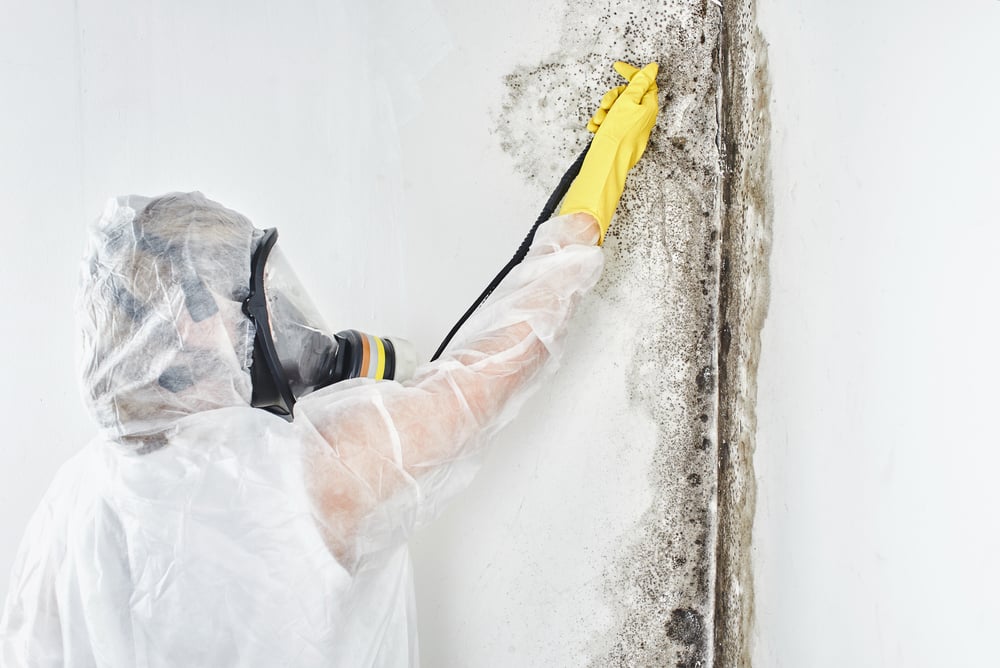
Working as a mould inspector, remediation specialist, or testing technician comes with a level of responsibility that goes far beyond what so many people initially expect. At first glance, it may look like just a technical role that focuses on identifying and removing contamination, but it means a lot more.
It’s a job that contributes a lot to health, safety, and environmental protection, often in ways that aren’t visible until something goes wrong. And while that’s a good reason on its own to make continuous learning important in this field, here are more reasons.
1. Different States Around the U.S. Require It
Different states, such as Florida, Louisiana, Texas, and New York, expect professionals to maintain their mould assessment and remediation licences by taking continuing education courses during renewal. On top of that, building owners, occupants, and managers expect the highest level of protection from mould exposure, adding another layer of pressure beyond simple compliance.
While the continuing education requirements aren’t standardised, there exist many leading Mold Abatement Certification education providers like RocketCert that offer predictable results. It is always advisable to get your courses from such providers to ensure you aren’t just taking the right topics but also investing in updated training by experts in the field.
2. Mould Abatement Techniques Keep Changing
If there is one thing that is so clear about mould abatement, it is the fact that it isn’t a static trade. It’s deeply tied to building science, microbiology, indoor air quality, and other important topics, all of which keep evolving as new research comes up.
Recently, for instance, there has been a growing understanding of how hidden moisture contributes to mould growth in buildings. Energy-efficient insulation, tighter construction methods, and advanced HVAC systems, to some degree, also create new environments where mould thrives in less obvious ways.
Continuous learning allows you to understand where the mould is and why it is there. This way, you will be able to adopt solutions that work, since what worked some years ago may not be enough today.
3. Mistakes in This Field Are So Costly
Making a mistake in mould remediation makes it highly likely that it will resurface. Underlying moisture issues, when not addressed fully, can cause the issue you were trying to resolve to return, oftentimes worse than before. The same goes for contamination that spreads if a removal is done improperly.
This creates a direct link between knowledge and outcomes, as each improvement in technique, containment strategy, or diagnostic approach lowers the risk of costly callback and damaged reputation.
Continuous learning comes in as a form of risk management as it keeps you aligned with best practices. It also keeps you from taking shortcuts that look efficient in the moment but create more serious problems later.
4. You Will Get Access to Higher Value Opportunities
Mould abatement overlaps with water damage restoration, construction, environmental consulting, and even public health. When you expand your knowledge beyond mould, you will have an easier time getting into higher-value roles.
Continuous education helps you connect different areas of expertise, so that you can move from being just a technician to becoming a consultant with the ability to offer actionable advice.
Grow With Rocket’s CE Courses
Continuing education, according to most professionals, isn’t fun, especially when it is tied to licence renewal. But did you know that there are providers who go the extra mile to make it manageable and more enjoyable?
This is what you get with RocketCert’s mould abatement certification and continuing education courses. So, if you have been trying to take your career to the next level, now is the time to check out what rocketcert.com offers.