

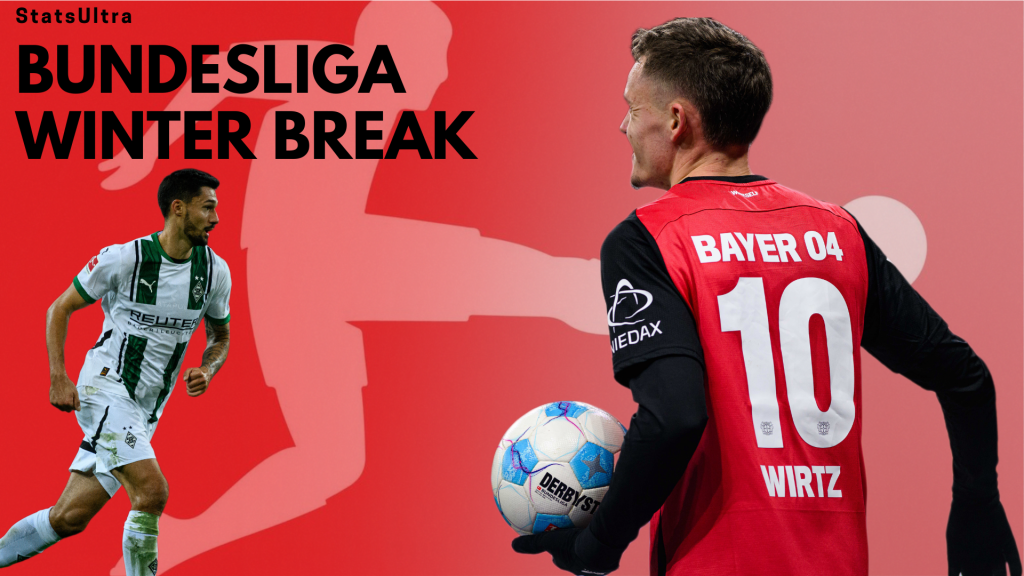
The 2024/25 Bundesliga season is punctuated by FIFA international windows that interrupt club rhythm, drain key players through travel and extra minutes, and force coaches into uncomfortable selection calls. Those shifts around “FIFA days” can distort both fitness levels and starting XIs, making some rounds far less predictable than traditional form tables suggest.
Where international breaks sit in the 2024/25 calendar
The 2024/25 club season is overlaid with several official FIFA and UEFA international windows, typically in early September, October and November 2024, followed by a further window in late March 2025. During these periods, domestic leagues pause, national teams play qualifiers or Nations League matches, and clubs must release players before receiving them back only days before Bundesliga play resumes. The Bundesliga calendar itself is built around these interruptions, with matchdays scheduled to resume immediately after the windows close, creating tight turnaround periods for returning internationals.
Why FIFA windows create unique fitness risks
International breaks are often mislabelled as rest periods, but for core internationals they mean compressed travel, different training loads and high-intensity matches rather than recovery. Studies of post-tournament periods show that injury risk for players returning from concentrated international competition can rise three- to five-fold in the first 7–10 days back at their clubs, as they adapt from one physical environment to another. On top of that, long-haul flights and time-zone changes disrupt sleep and recovery cycles, compounding fatigue and making the first Bundesliga game after the window particularly vulnerable to physical underperformance or soft-tissue issues.
Mechanisms linking travel and match load to club performance
The mechanism is straightforward but often underestimated. Players accumulate minutes and high-intensity running in international fixtures that frequently demand more sprints and duels than some domestic games, especially in high-stakes qualifiers. When they return to their clubs, the sudden change in training intensity, tactical demands and even playing surfaces creates an acute spike in workload variance, which sports science analysis identifies as a trigger for increased injury occurrence in the following week. Even when injuries do not occur, sub-maximal fatigue can reduce pressing efficiency, reaction time in duels and decision speed on the ball, subtly lowering performance without obvious visible signs before kick-off.
Which players and positions are most exposed?
Not all squad members face the same risk around FIFA days. Regular starters for national teams who play two full matches and undertake long travel carry the heaviest burden, particularly if they operate in high-intensity positions such as box-to-box midfielders, full-backs or pressing forwards. By contrast, players who remain at the club during the break might benefit from a controlled training block that balances recovery with conditioning, sometimes returning sharper than before the window. This divergence can widen internal performance gaps: internationals arrive jaded, while non-internationals are physically primed, influencing the coach’s willingness to rotate or adjust roles in the first game back.
How coaches manage post-break rotations
Coaches in the Bundesliga respond to these risks with targeted rotation and phased returns for certain internationals, especially when data highlights elevated injury probability in the immediate post-break period. Some managers opt to rest heavy-minute internationals on the bench for the first league game after a window, either introducing them later or delaying their full return to avoid overloading. Others keep stars in the XI but modify tactical roles—reducing pressing duties, shortening sprint distances or pairing them with fresher teammates—to mitigate fatigue while still benefiting from their technical quality.
In cases where someone wants to translate these patterns into real decisions, an online betting site such as ufabet เว็บแม่ becomes a reference point for how markets price post-break uncertainty; by comparing expected line-ups, international minute loads and travel distances with the posted odds on favourites and goal lines, bettors can judge whether the market treats the upcoming fixture as business as usual or whether it has partially adjusted for likely rotation and reduced intensity. The discrepancy between these two perspectives—club and betting—often opens when a team’s reputation remains strong, but multiple first-choice players are either returning late from long flights or flagged for managed minutes, raising the real risk of a less cohesive performance than headline names suggest.
Table: typical international window patterns and club effects
Looking at international breaks through a simple structure helps clarify how different windows create distinct club-level challenges. The following table summarises common men’s international windows relevant to the 2024/25 period and the typical Bundesliga consequences attached to each.
| Window period (approx.) | International activity pattern | Primary club-level fitness risk | Common Bundesliga consequence after return |
| 1–9 September 2024 | Two competitive games in nine days for many nations | Accumulated fatigue and minor knocks | Slightly reduced intensity, selective rotation in first league match |
| 6–14 October 2024 | Further qualifiers/Nations League fixtures | Elevated muscle injury risk on return | More cautious use of key players, occasional surprise absences |
| 10–18 November 2024 | Final autumn window with travel-heavy schedules | Time-zone disruption and cumulative load | Volatile performances, especially for clubs with many long-haul internationals |
| 23–31 March 2025 | Spring window tied to World Cup qualifying | Late-season fatigue layered on high workloads | Mix of refreshed non-internationals and drained core starters |
This structure shows that not all breaks are equal; autumn windows build cumulative stress, while the late-March window adds load to players already deep into the season. For Bundesliga clubs with many internationals, the first league game after November and March windows typically carries sharper fitness and selection questions than fixtures that fall several weeks away from any international activity.
Practical signals before betting post-FIFA-day fixtures
Before wagering on a Bundesliga match immediately after an international window, it helps to systematically check for red flags that suggest fitness or rotation will meaningfully alter team strength. Moving beyond generic “they have many internationals” thinking to concrete, repeatable checks turns these rounds from pure guesswork into structured risk evaluation.
Key checks before betting on post-international-break matches:
- Confirm how many likely starters played 150–180 minutes or more for their national teams, especially in high-intensity roles.
- Note which players had long-haul travel or multiple time-zone changes between club and national-team locations.
- Track injuries or “tightness” reported in national-team camps, even if players return officially fit.
- Watch for coach comments on “managing workloads” or “checking freshness” in pre-match press conferences.
- Compare anticipated line-ups with pre-break patterns to see whether core partnerships (centre-backs, double pivots) will be disrupted.
Interpreting these signals collectively gives a more realistic picture of how close a post-break XI is to the team’s usual peak configuration. If several key attackers or defenders are doubtful, travel-worn or expected to start on the bench, heavy favouritism in odds may rest more on historical reputation than on the actual short-term state of the squad. Conversely, teams with few internationals can come out of breaks sharper and more cohesive, occasionally narrowing gaps that league position alone would not suggest.
In-play dynamics and casino online considerations
Fitness and rotation issues around FIFA days often reveal themselves more clearly during the match than in team news, which creates in-play opportunities for attentive observers. A side full of recently returned internationals may open strongly on adrenaline but fade after 60 minutes, showing slower recovery runs, lower pressing height and more space between lines as fatigue sets in. When someone follows this pattern through a casino online website that updates live prices, the divergence between the early scoreline and deteriorating physical output can signal value on late goals, comebacks or unders on pressing-dependent props if legs are clearly gone.
The opposite scenario can also arise: a club that rested or spared several players during the break may grow into the game physically, even if they start cautiously. In those matches, rising intensity, improved duel success and sharper transitions after half-time can justify more aggressive in-play positions on that team than pre-match odds implied. The core idea is to anchor live decisions in observable fitness and energy trends that link back to the international window, rather than treating the match as entirely independent from what happened in the previous 10 days.
Where the international-break narrative can mislead
Despite clear patterns, assuming that all top players return tired and all clubs suffer equally after FIFA days can lead to errors. Some internationals actually benefit from the change in environment, using national-team camps for confidence boosts or minutes they do not always receive at club level, returning sharper and mentally reset. Others play limited minutes or friendlies with lower intensity, experiencing less strain than the narrative of “brutal travel” suggests.
At club level, well-resourced Bundesliga teams with advanced performance departments manage loading carefully, sometimes staggering returns, adjusting training volumes and using detailed data to keep injury risk in check. In those settings, blanket strategies like auto-fading favourites after every international break become blunt tools, ignoring how some squads consistently handle these windows with minimal performance drop-off. Understanding who has historically coped well with FIFA-day disruptions is therefore as important as recognising who has not.
Summary
In the 2024/25 Bundesliga, international breaks carve deep grooves through the season, changing player fitness profiles, raising short-term injury risk and pushing coaches toward selective or broader rotation when domestic play resumes. Travel-heavy internationals are especially prone to post-window fatigue and soft-tissue issues, which can weaken pressing and cohesion even if line-ups still feature familiar names. For bettors and analysts, treating FIFA days as structurally risky periods—cross-checking minutes, travel, injuries and coaching signals—turns a vague warning about “trap games” into a concrete framework for judging which post-break fixtures deserve trust and which demand extra caution.
