

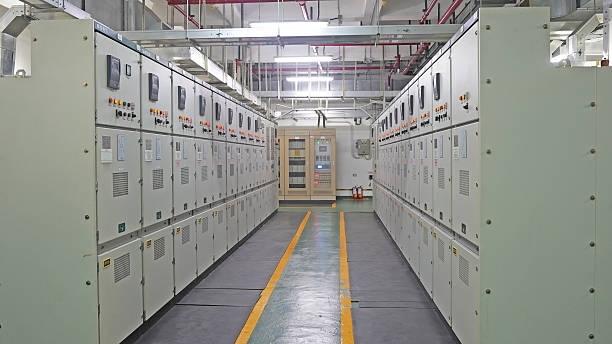
In modern electrical power systems, Gas Insulated Switchgear (GIS) plays a critical role in ensuring safe, reliable, and efficient electricity distribution. GIS technology has become increasingly popular across industrial, commercial, and utility sectors due to its compact design, enhanced safety features, and ability to operate under high-voltage conditions with minimal maintenance. When paired with professional Gas Insulated Switch Gear services, these systems not only enhance operational efficiency but also provide long-term reliability and protection for critical infrastructure.
What Is Gas Insulated Switchgear (GIS)?
Gas Insulated Switchgear (GIS) is a type of high-voltage switchgear in which electrical components such as circuit breakers, isolators, and busbars are enclosed in a grounded metal housing filled with sulfur hexafluoride (SF6) gas. This gas acts as an insulating medium, allowing the equipment to handle high voltages safely while minimizing the physical footprint of the switchgear.
Key Components of GIS
- Circuit Breakers: Interrupt excessive current flow during faults to protect equipment and personnel.
- Disconnectors/Isolators: Ensure safe maintenance by isolating circuits from live power.
- Busbars: Conduct electricity efficiently between different switchgear components.
- Instrument Transformers: Monitor voltage and current for accurate measurement and protection.
- Protection Relays: Detect abnormal conditions and trigger safety mechanisms.
The compact design and high reliability of GIS make it suitable for urban substations, industrial facilities, offshore platforms, and other areas where space is limited but operational efficiency and safety are essential.
Importance of GIS Services
While GIS technology is robust, its performance and longevity depend heavily on professional maintenance, inspection, and operational services. High-quality GIS services are crucial to prevent equipment failure, maintain safety standards, and ensure uninterrupted power supply.
Key Benefits of GIS Services
- Enhanced Safety: Regular inspection and maintenance of GIS prevent gas leaks, equipment malfunction, and potential electrical hazards.
- Operational Efficiency: Properly serviced GIS ensures smooth power distribution, minimal downtime, and optimal system performance.
- Prolonged Equipment Life: Routine checks, testing, and component replacement reduce wear and extend the operational life of high-value switchgear.
- Regulatory Compliance: GIS services help utilities and industries comply with safety, environmental, and operational standards.
- Cost Savings: Preventive maintenance avoids costly repairs, reduces outage risks, and improves overall system efficiency.
Common GIS Services
Professional GIS service providers offer a range of solutions to ensure optimal performance, safety, and longevity of the equipment.
Installation and Commissioning
Proper installation is critical to the safe and efficient operation of GIS. Services include site preparation, equipment alignment, gas filling, and testing before energization. Correct commissioning ensures that the system operates according to manufacturer specifications and industry standards.
Inspection and Testing
Regular inspections and diagnostic tests identify potential issues before they escalate into failures. Common tests include:
- SF6 gas density and leakage testing
- Insulation resistance measurement
- Circuit breaker timing and functionality tests
- Partial discharge testing to detect hidden defects
Maintenance and Servicing
Scheduled preventive maintenance is crucial to ensure continuous, reliable operation. Maintenance activities may include:
- Gas top-ups and replacement
- Lubrication of moving components
- Tightening of electrical connections
- Replacement of worn or damaged parts
Upgrades and Modernization
As electrical systems evolve, GIS may require upgrades to meet new operational standards, improve performance, or enhance safety. Service providers can retrofit older equipment with modern components, improve monitoring capabilities, and implement advanced protection systems.
Emergency Support and Troubleshooting
GIS service providers often offer rapid-response support to diagnose and resolve faults, minimizing downtime and restoring safe operation quickly. This is particularly important in critical infrastructure where uninterrupted power is essential.
Advantages of Gas Insulated Switchgear
GIS offers several advantages over traditional air-insulated switchgear (AIS), making it a preferred choice for modern electrical networks:
Compact Design
GIS requires significantly less space than conventional AIS, making it ideal for urban substations and areas with space constraints.
High Reliability
The enclosed design protects equipment from dust, moisture, and environmental contaminants, reducing the likelihood of faults and enhancing overall reliability.
Safety
The metal enclosure and insulating gas prevent accidental contact with live components, enhancing personnel safety during operation and maintenance.
Low Maintenance
Compared to conventional switchgear, GIS requires less routine maintenance due to its sealed construction, reducing long-term operational costs.
Environmental and Operational Resilience
GIS performs well under harsh environmental conditions, including extreme temperatures, high humidity, and polluted or coastal areas, maintaining consistent performance over time.
Applications of GIS
Gas Insulated Switchgear systems are used in a wide variety of industries and facilities:
- Urban Substations: High-density cities benefit from compact GIS solutions to save space while maintaining reliable electricity supply.
- Industrial Facilities: Factories and manufacturing plants use GIS for safe and efficient power distribution.
- Renewable Energy Plants: Wind and solar farms rely on GIS for efficient integration with high-voltage networks.
- Offshore and Remote Locations: GIS provides reliable power distribution in areas exposed to harsh environmental conditions.
- Critical Infrastructure: Airports, hospitals, and data centers use GIS to ensure uninterrupted power supply and operational safety.
Choosing Professional GIS Services
Selecting a qualified GIS service provider is essential for ensuring optimal performance, safety, and compliance. Consider the following factors:
- Experience and expertise in high-voltage GIS systems
- Availability of advanced diagnostic tools and testing equipment
- Compliance with international safety and environmental standards
- Ability to provide preventive, corrective, and emergency services
- Track record of successful projects across various industries
Partnering with an experienced provider ensures that GIS systems operate efficiently, reduce operational risks, and achieve long-term reliability.
Conclusion
Gas Insulated Switch Gear services ensuring safety and operational efficiency are vital for modern electrical networks. GIS technology provides compact, reliable, and low-maintenance solutions for high-voltage power distribution, while professional services ensure that these systems operate safely and efficiently over their lifespan.
From installation and commissioning to routine maintenance, inspection, and emergency support, Meta Power Solutions delivers comprehensive GIS services that help facilities maintain uninterrupted power, minimize risks, and extend equipment life. By investing in high-quality GIS systems and expert service providers, businesses and utilities can achieve enhanced operational efficiency, improved safety, and long-term cost savings, making GIS an indispensable component of modern electrical infrastructure.
