

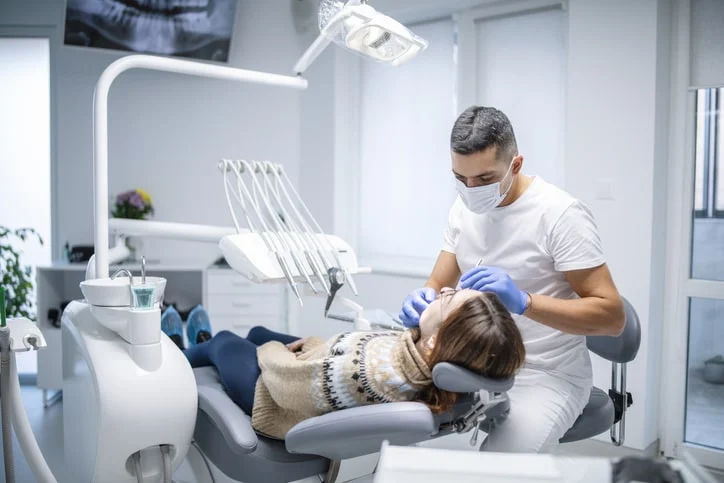
Dental care is a fundamental part of overall health, yet it often operates quietly in the background of the healthcare system. Most patients focus on cleanings, fillings, or relief from pain without thinking about the coordinated effort required to make those visits possible. In large, historic cities with diverse populations, that coordination becomes even more important. Dental staffing in Philadelphia offers a useful lens for understanding how workforce planning supports access to care, patient experience, and long-term oral health across complex urban environments.
Philadelphia is home to a wide range of communities, from dense city neighborhoods to surrounding residential areas. Each area has its own healthcare needs, expectations, and challenges. Dental staffing plays a key role in meeting those needs efficiently and responsibly.
What Dental Staffing Includes
Dental staffing refers to the organization and management of the professionals who keep a dental office running day to day. This includes dentists, dental hygienists, dental assistants, and administrative staff responsible for scheduling, patient records, and communication. Each role supports a different aspect of patient care, and together they form a system that must function smoothly.
In the case of dental staffing in Philadelphia, practices often serve patients with varied backgrounds, insurance situations, and oral health needs. Staffing decisions help dental offices remain adaptable, allowing them to provide consistent care while responding to changes in patient volume and community demand.
The Practical Uses of Dental Staffing
1. Keeping Dental Care Accessible
One of the most important uses of dental staffing is ensuring that patients can actually get appointments when they need them. Understaffed dental offices may struggle with long wait times, limited availability, or shortened hours. These barriers can discourage patients from seeking preventive care, leading to more serious dental issues over time.
Dental staffing in Philadelphia supports access to care by helping practices maintain steady operations. When offices are properly staffed, patients are more likely to receive timely cleanings, exams, and treatments, which helps prevent small problems from becoming major health concerns.
2. Supporting Efficient Office Operations
A dental visit involves more than clinical work. Scheduling, billing, patient intake, and follow-up communication are all essential parts of the process. Adequate staffing ensures that these tasks are handled accurately and efficiently, reducing confusion and delays.
When administrative and clinical roles are clearly defined and properly staffed, dental offices can focus on patient care rather than constant troubleshooting. This efficiency improves the overall experience for both patients and providers.
3. Allowing for Specialized Care
Not all patients have the same dental needs. Some require routine preventive care, while others need more complex treatment plans. Staffing allows practices to match skills and experience to patient needs. For example, having hygienists who focus on preventive education or assistants trained to support advanced procedures helps practices offer a wider range of services.
In a city as diverse as Philadelphia, this flexibility is especially valuable. Dental staffing helps practices respond to the varied oral health challenges found across different neighborhoods and age groups.
Why Dental Staffing Is So Important
Reducing Health Inequities
Access to dental care is not evenly distributed in many cities. Some neighborhoods may have fewer dental offices or face higher patient demand. Thoughtful dental staffing in Philadelphia helps address these gaps by supporting consistent care across multiple service areas.
When staffing is aligned with community needs, dental offices can extend their reach and serve more patients effectively. This helps reduce disparities in oral health outcomes and supports healthier communities overall.
Improving Patient Trust and Comfort
Patients are more likely to return for regular dental care when they feel comfortable and respected. Familiar staff members, clear communication, and smooth visits all contribute to a sense of trust. High turnover or chronic understaffing can disrupt these relationships and make patients feel like just another number.
Stable dental staffing allows patients to build ongoing relationships with their care providers. This continuity encourages open communication, better understanding of treatment plans, and improved adherence to preventive care recommendations.
Supporting the Dental Workforce
Dental professionals face physical demands, time pressure, and emotional stress, especially in busy urban settings. Without adequate staffing, these pressures increase, leading to fatigue and burnout. Burnout not only affects the well-being of providers but can also impact patient care.
Dental staffing in Philadelphia helps distribute workloads more evenly, allowing professionals to focus on their primary responsibilities. A well-supported team is more likely to remain engaged, attentive, and committed to delivering quality care.
Dental Staffing Across Service Areas in Philadelphia
Philadelphia’s service areas vary widely in population density, income levels, and healthcare access. Some areas may see high patient volumes due to limited nearby options, while others may require extended hours to accommodate working families. Staffing strategies must reflect these realities.
Dental staffing supports practices in adjusting their teams to meet local needs. Whether it’s adding support during peak hours or ensuring coverage in underserved areas, staffing decisions help practices remain responsive to the communities they serve.
These service areas also differ in age demographics. Areas with older residents may focus more on maintenance and restorative care, while neighborhoods with younger families may emphasize preventive services. Proper staffing ensures that dental offices can deliver care that aligns with these priorities.
The Long-Term Impact on Oral and Overall Health
Oral health is closely linked to overall health, with connections to conditions such as heart disease and diabetes. Regular dental visits play a critical role in early detection and prevention. Dental staffing makes these visits possible by ensuring that enough trained professionals are available to provide care consistently.
Dental staffing in Philadelphia supports long-term health by enabling preventive care, patient education, and continuity. When patients can rely on consistent access to dental services, they are more likely to maintain healthy habits and seek care before problems escalate.
Conclusion
Dental staffing is a foundational element of effective healthcare delivery, particularly in large urban environments. Dental staffing in Philadelphia highlights how thoughtful workforce planning supports access, quality, and sustainability across diverse service areas in Philadelphia.
By ensuring that dental offices are properly staffed, communities benefit from improved access to care, stronger patient-provider relationships, and better overall health outcomes. While it often happens behind the scenes, dental staffing plays a crucial role in keeping urban healthcare systems responsive, reliable, and focused on patient well-being.
