

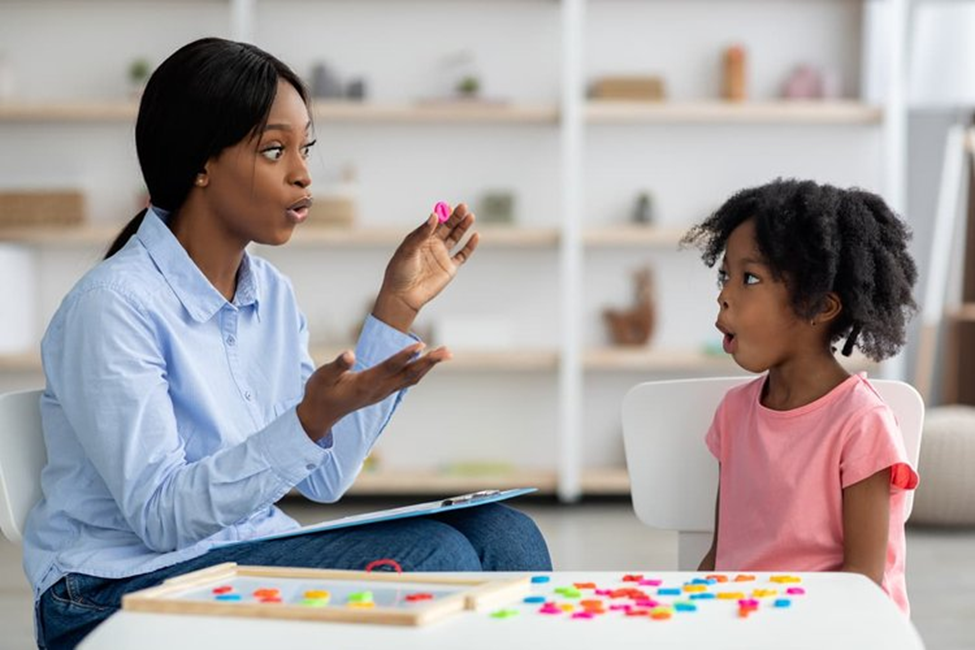
Communication is an important part of a child’s development. For many children, learning to express needs, understand language, and interact with others happens naturally. However, some children face communication challenges that make it harder to talk, listen, read, or interact socially. Speech therapists play a key role in helping children overcome these challenges by providing structured, evidence-based support tailored to each child’s needs.
Understanding Communication Challenges In Childhood
Communication challenges in children can take different forms. Some children struggle with articulation (producing speech sounds clearly). Others may have difficulty understanding language, using appropriate words, forming sentences, or engaging in conversations.
Some children with developmental disorders may also face social communication difficulties or language issues. Detecting these challenges early helps families access the right support before patterns become more difficult to change.
Early Signs That A Child May Need Speech Therapy
It is normal for young children to develop communication skills at different rates, but certain signs may suggest a need for evaluation by a speech therapist. These signs include:
- Limited babbling or few spoken words by age 2
- Difficulty being understood by familiar listeners
- Trouble following simple directions
- Frequent frustration during attempts to communicate
- Consistent sound errors beyond age-appropriate patterns
- Avoidance of eye contact or social interaction
What Speech Therapists Do In Pediatric Settings
Speech therapists (also called speech-language pathologists) evaluate and treat a wide range of communication and swallowing disorders. They begin with a thorough assessment that looks at a child’s speech clarity, language comprehension, expression, voice quality, fluency, social communication, and feeding/swallowing skills when relevant. Based on assessment findings, the therapist develops a personalized therapy plan with specific goals.
Here is how speech therapists help overcome communication issues in children:
1. Building Language Skills And Vocabulary
For many children, developing a strong vocabulary and understanding how to use words correctly is an early focus of therapy. Speech therapists use playful, engaging activities to teach new words, model correct sentence structures, and expand a child’s ability to express ideas. These techniques help children communicate more effectively in daily interactions with family members, peers, and teachers.
2. Improving Speech Clarity And Articulation
Some children struggle to produce certain speech sounds clearly, which can make it hard for others to understand them. Speech therapists work with children to strengthen oral muscles and practice proper sound production. Through repetition, games, visual cues, and positive reinforcement, children learn how to position their tongue, lips, and breath to make clearer sounds and improve intelligibility.
3. Supporting Social Communication And Conversation Skills
Communication is more than just words, it also involves turn-taking, understanding facial expressions, using gestures, and knowing how to start and maintain conversations. Speech therapists help children learn these social aspects of communication. Practicing social cues, role-playing, and guided interactions give children confidence when speaking with others and help reduce social anxiety or withdrawal.
4. Addressing Language Disorders And Delay
Some children experience delays in understanding language (receptive language) or using language (expressive language). Speech therapists break down complex language tasks into manageable steps, helping children improve comprehension and expression. This might include identifying objects, following multi-step directions, or building longer sentences. Progress is monitored regularly, and therapy activities are adjusted to match the child’s development.
5. Specialized Techniques For Children With Autism Or Special Needs
Children with autism spectrum disorder or other developmental conditions may have unique communication challenges. Speech therapists use specialized strategies, such as Picture Exchange Communication System (PECS), visual supports, social stories, and structured routines, to help these children make connections between words, meanings, and social contexts. These approaches support greater participation at home, school, and community settings.
6. Partnering With Families For Everyday Success
Parents and caregivers are important partners in their child’s therapy. Speech therapists guide families on how to reinforce communication goals at home through daily routines, such as mealtime conversations, playtime interactions, and bedtime stories. Simple activities like reading together, describing daily events, or singing songs enhance communication and generalize skills beyond therapy sessions.
The Importance Of Early Intervention And Routine Screening
Early intervention provides the best opportunity for improvement in communication skills. Most speech and language milestones occur in the early years, and delays can have a negative effect on learning, social development, and self-confidence. Routine screenings by pediatricians, preschool teachers, or caregivers ensure children with potential communication challenges are identified and supported as early as possible.
Long-Term Benefits Of Speech Therapy
Speech therapy not only improves a child’s communication skills but also supports academic success, social confidence, and emotional well-being. Children who learn effective communication strategies are better equipped to express needs, build friendships, and participate actively in school. Over time, improved communication contributes to positive self-esteem and a stronger sense of independence.
Accessing Quality Speech Therapy Services
Finding the right speech therapist and support network is important for lasting progress. Navi Mumbai is equipped with several experienced pediatric communication specialists, and many families in the region consult a trusted speech therapist in Navi Mumbai to help children overcome communication challenges, build strong language skills, and participate confidently in learning and social activities.
