

Dogs learn at different paces and face unique challenges that range from simple commands to complex emotional responses. Understanding what type of training your pet requires can save time, reduce stress, and build a stronger bond with your pet. The choice between obedience work and behavioural modification depends on your dog’s specific issues and household goals.
Most pet parents in urban areas struggle to identify whether their dog needs foundational command work or deeper intervention for addressing anxiety, aggression, or fear-based reactions. A professional dog trainer at home services often begins with an assessment to determine the root cause of unwanted actions. A dog that jumps on guests may simply lack impulse control, or it could be displaying excitement-based anxiety that requires a different approach entirely.
Understanding Basic Obedience Training
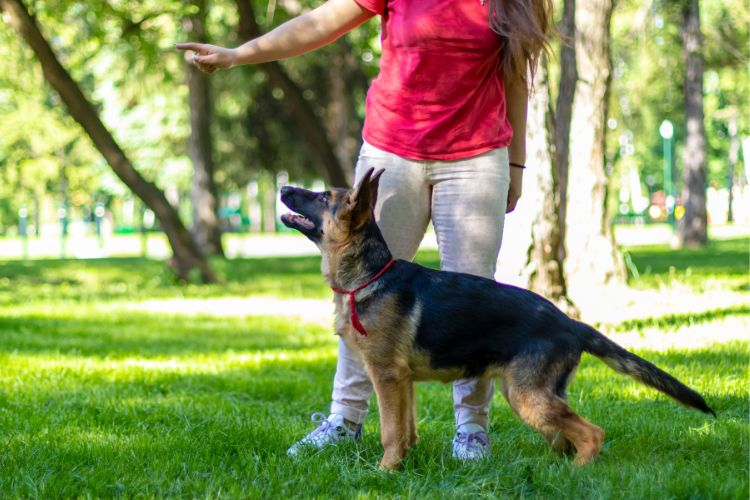
Foundation Commands for Everyday Life: Basic obedience focuses on teaching dogs essential commands like sit, stay, come, heel, and down. These instructions form the backbone of a well-mannered pet and make daily routines smoother. Dogs learn to respond to verbal cues and hand signals through positive reinforcement methods that reward desired actions. This type of training works best for puppies, newly adopted dogs, or pets that simply never received structured guidance.
Building Communication and Trust: Obedience training establishes a clear communication channel between you and your dog. It helps pets understand boundaries within the home and during outdoor walks. The training reinforces your role without using harsh corrections or dominance-based techniques. Dogs that complete obedience programmes tend to be calmer in public spaces and more responsive to their families during distractions.
Recognising When Behavioural Training Is Necessary
Identifying Deep-Rooted Issues: Behavioural training addresses problems that stem from fear, trauma, anxiety, or ingrained habits that obedience work cannot solve. These issues include excessive barking, destructive chewing when alone, aggression towards other dogs or people, separation anxiety, and phobias related to sounds or environments. Such behaviours often have emotional triggers that require behaviour modification protocols tailored to each dog’s history and temperament.
The Role of Professional Assessment: A qualified trainer or behaviourist will evaluate your dog’s triggers, body language, and response patterns before creating a customised plan. Some dogs react to specific situations due to past experiences, lack of socialisation during critical developmental periods, or medical conditions that cause discomfort. Behavioural training involves desensitisation exercises, counter-conditioning techniques, and structured exposure to trigger situations in controlled settings.
Key Differences in Training Methods
Training Approaches and Techniques: Obedience and behavioural training differ fundamentally in their goals and execution. Understanding these distinctions helps pet parents choose the right path:
- Obedience training uses reward-based repetition to teach specific actions and commands that dogs perform on cue.
- Behavioural training focuses on changing emotional responses and replacing unwanted reactions with healthier patterns.
- Obedience sessions typically last six to eight weeks with measurable progress in command response and control.
- Behavioural work extends over months and requires consistent practice beyond formal sessions for lasting change.
Environment and Timeline Considerations: Obedience classes work well in controlled environments where distractions can be gradually introduced. Behavioural training may require in-home sessions where the dog feels most comfortable or most reactive. Progress depends on the severity of the issue and the owner’s ability to maintain protocols between training appointments. The timeline for behavioural work is often longer and demands patience from everyone involved.
How to Decide What Your Dog Needs
Evaluating Your Dog’s Current Challenges: Start by listing the specific issues you want to address. If your dog does not come when called or pulls on the lead, obedience training will likely solve these problems. If your dog hides during thunderstorms, lunges at strangers, or destroys furniture when left alone, behavioural intervention is the better path. Some dogs need both, beginning with obedience to establish baseline communication and then progressing to behavioural work.
Considering Age and Background: Puppies benefit greatly from early obedience training that prevents bad habits from forming. Rescue dogs with unknown histories may show behavioural issues that require patience and specialised techniques. Senior dogs can learn new commands, but behavioural problems rooted in years of reinforcement take longer to address. The dog’s energy level, breed tendencies, and previous training also influence which approach will be most effective.
Common Training Mistakes to Avoid
Confusing Symptoms with Solutions: Many pet parents attempt to impart obedience training for dogs with behavioural issues and feel frustrated when such commands do not resolve the problem. Teaching a fearful dog to sit does not address the underlying anxiety causing reactive barking. Punishment-based methods can worsen behavioural issues by increasing fear and breaking trust. Understanding the difference between disobedience and emotional distress prevents wasted effort and potential harm to the dog.
Combining Both Training Types for Best Results
Creating a Comprehensive Training Plan: Many dogs benefit from a layered approach that starts with obedience fundamentals and builds into behavioural work. Solid command knowledge gives dogs the tools to cope with stressful situations. For example, a reliable “place” command helps an anxious dog learn to settle during trigger events. The structure of obedience training also builds confidence in uncertain dogs by giving them predictable routines and clear success markers.
Conclusion
Choosing between obedience and behavioural training depends on your dog’s specific needs and the challenges you face daily. Obedience work builds communication and manners for everyday situations, creating a foundation for a well-behaved companion. Behavioural training addresses deeper emotional issues that require patience, professional guidance, and structured modification techniques. If you are unsure where to start, book a consultation with a professional trainer who can assess your dog’s unique temperament and recommend the right path forward for lasting results.
