

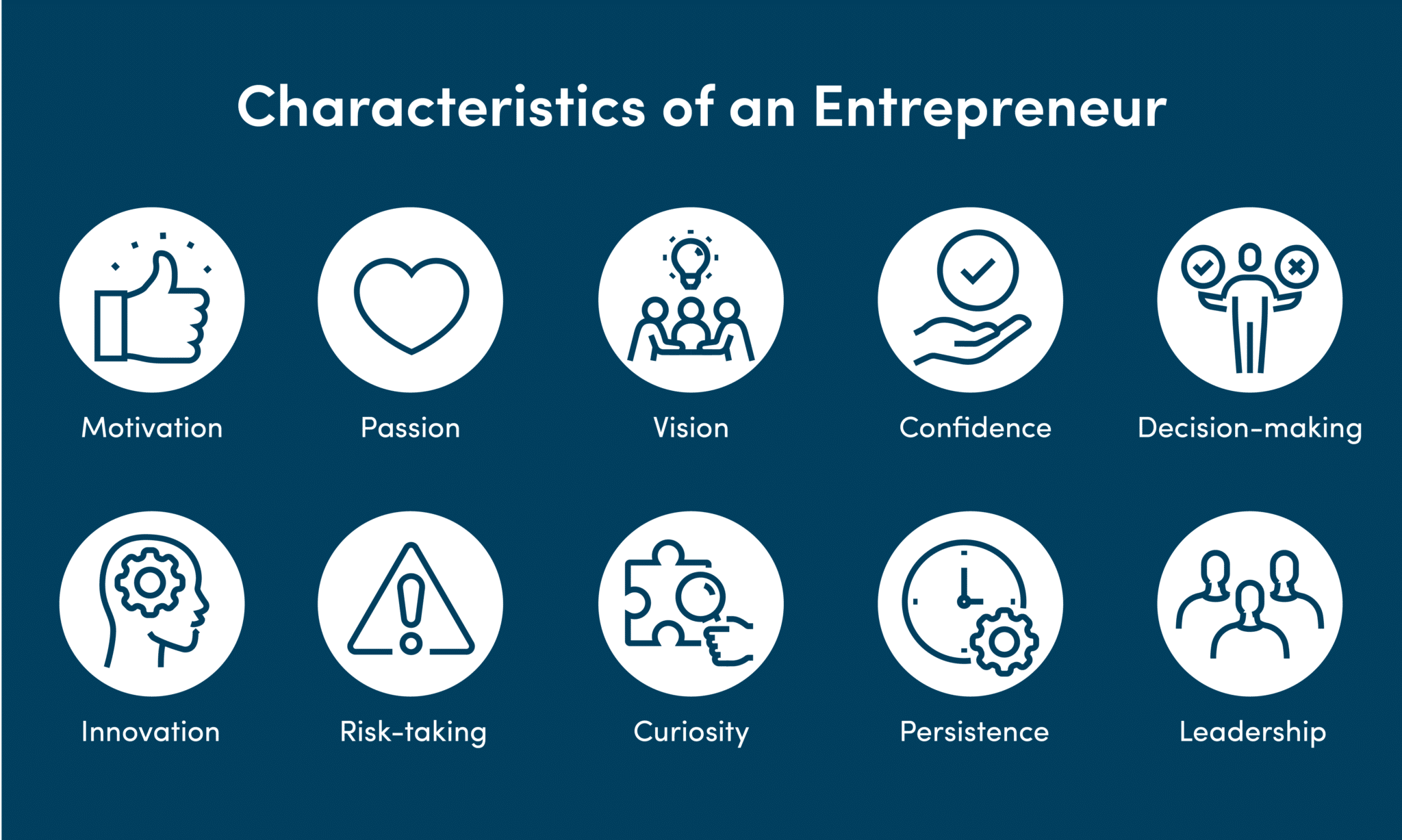
Starting your own company is one of the most significant decisions a professional can make. It promises autonomy, the opportunity to build something meaningful, and the potential for substantial financial reward. Yet entrepreneurship also involves considerable risk, responsibility, and uncertainty. Determining whether to take the leap requires honest self-reflection, strategic evaluation, and an understanding of the demands and realities of running a business. This process goes beyond enthusiasm or the appeal of independence—it is a deliberate assessment of readiness, resources, and alignment with personal and professional goals.
Assessing Motivation and Personal Alignment
The first step in deciding whether to start a company is evaluating your motivation. Why do you want to become an entrepreneur? For some, the appeal is creative freedom and the chance to bring innovative ideas to life. For others, it may be financial ambition or the desire to leave a corporate environment. Understanding your true motivation is critical because the journey will inevitably include obstacles, long hours, and periods of uncertainty. Entrepreneurs who are driven primarily by external factors, such as social recognition or immediate financial gain, often struggle to sustain their efforts through challenging periods.
Equally important is considering personal alignment. Entrepreneurship requires resilience, adaptability, and a willingness to assume responsibility for every aspect of a business—from product development to customer satisfaction. It is not a path that allows for compartmentalization; personal and professional demands are often intertwined. Reflecting on lifestyle goals, risk tolerance, and long-term aspirations helps clarify whether starting a business aligns with your values and vision. Understanding your capacity for ambiguity and sustained effort is essential in making a well-informed decision.
Evaluating Skills, Experience, and Resources
Once motivation is clear, the next step is assessing your readiness in practical terms. Running a business demands a combination of strategic, operational, and financial skills. Founders must understand market dynamics, manage budgets, lead teams, and navigate legal and regulatory requirements. If your experience in these areas is limited, it may be necessary to develop expertise, seek mentorship, or build a complementary team before launching. Recognizing strengths and gaps helps ensure that the business can survive the early, high-risk stages.
Resources are another critical factor. Starting a company often requires financial investment, access to networks, and time for development and execution. Consider whether you have the capital to sustain operations until the business becomes profitable, as well as the personal financial flexibility to absorb potential setbacks. Access to supportive networks, whether for advice, partnerships, or funding, can dramatically improve the likelihood of success. A realistic assessment of resources provides clarity on whether the timing and circumstances are suitable for entrepreneurship.
Understanding Market Opportunity and Viability
A strong idea alone is insufficient to justify starting a company. The next consideration is market viability. This involves analyzing demand, competitive dynamics, and potential barriers to entry. Conducting market research allows you to evaluate whether your offering addresses a genuine problem, differentiates from competitors, and can achieve sustainable growth. It is also important to consider trends and emerging technologies that could shape the industry landscape.
Marketing strategy plays a key role in this evaluation. Even the most innovative product requires visibility to reach potential customers. Understanding how to leverage both digital and traditional marketing channels, and how tools such as SEO services can improve discoverability, helps clarify the feasibility of reaching and converting your target audience. Thoughtful planning around positioning, messaging, and acquisition strategies reduces the risk of launching a product that fails to gain traction due to poor visibility or ineffective communication.
Weighing Risk and Potential Reward
Entrepreneurship inherently involves risk, and making a sound decision requires comparing potential rewards with possible downsides. Risk management begins with acknowledging uncertainty and preparing contingencies. This includes financial planning, scenario modeling, and evaluating the personal impact of potential failure. Equally, consider the upside: the personal fulfillment of building something meaningful, the ability to innovate, and the long-term financial and professional opportunities that come with successful execution.
Ultimately, deciding whether to start your own company is a combination of self-awareness, readiness, and market analysis. It requires honest evaluation of personal motivation, practical skills, available resources, and the ability to navigate uncertainty. Entrepreneurship is not suited for everyone, and understanding your tolerance for ambiguity and commitment level is as important as assessing the business opportunity itself.
Those who approach the decision strategically—balancing ambition with practicality and aligning their personal goals with market opportunity—are far more likely to create ventures that endure. By carefully considering motivation, capabilities, market dynamics, and risk, prospective entrepreneurs can make informed choices that set the foundation for sustainable success, turning ambition into actionable reality.
